
The Short Answer: Both Paths Can Be Right
Buying equipment and outsourcing production are both smart decisions. The right one depends on your circumstances. The deciding factors are usually utilization, urgency, internal capability, material requirements, tolerances and budget. If a process runs every week, it often justifies its own equipment. If you only need it occasionally, or it needs specialized expertise, a qualified service provider is usually faster and cheaper.
This guide covers the two technologies manufacturers ask about most: industrial 3D printers and metrology-grade 3D scanners. It ends with a practical framework you can apply to your own parts.
Industrial 3D Printers: Buy or Outsource 3D Printing?
Additive manufacturing is useful across a wide range of work. Common applications include prototypes, tooling, jigs and fixtures, replacement parts and low-volume production. The best choice between buying and outsourcing changes with each of these uses.
When 3D Printing Services Make More Sense
- Demand is irregular. If you need a few prototypes per quarter, a machine will sit idle most of the year while it keeps losing value.
- You need specialized materials. High-temperature polymers such as PEEK, PEKK and ULTEM, along with metal and ceramic options, require controlled build environments and process knowledge.
- Parts are large-format. Big build volumes are expensive to own if you only use them for a handful of jobs.
- Post-processing is complex. Support removal, heat treatment, machining and finishing require extra equipment and trained staff.
NeoMetrix offers industrial 3D printing and rapid prototyping services. These let you validate a material or geometry before you commit capital.
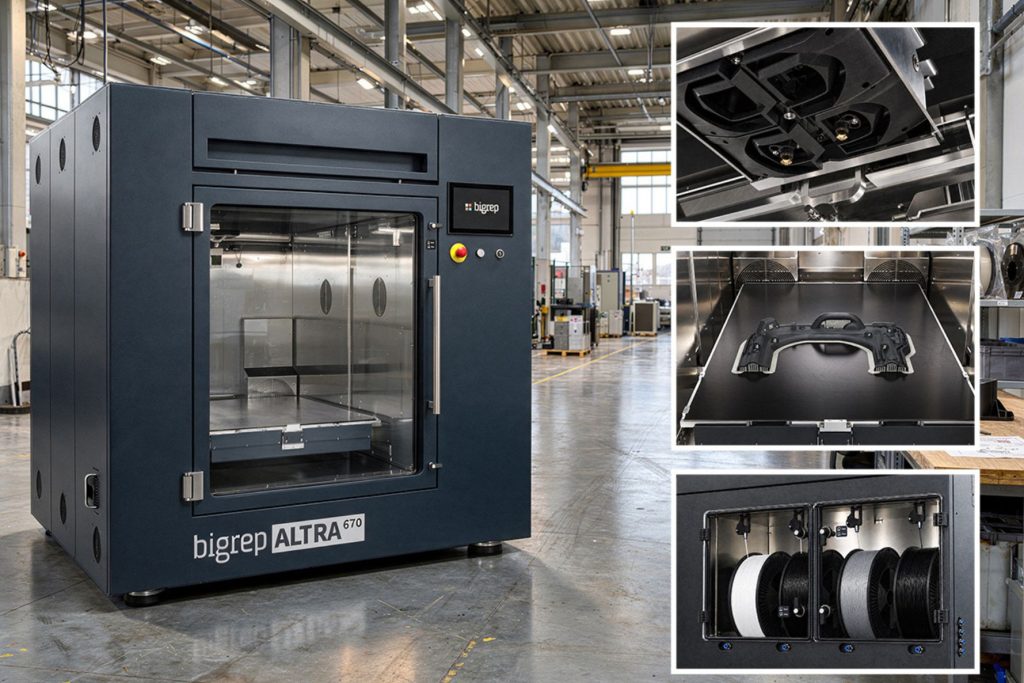
When In-House Additive Manufacturing Pays Off
- Iteration speed drives revenue. Engineering teams that redesign daily gain a lot when parts come off a machine overnight instead of shipping in from outside.
- Tooling and fixture demand is steady. Production floors that print fixtures every week often recover the equipment cost by replacing machined parts.
- Utilization is predictable. A machine that stays busy across shifts spreads its fixed costs over more parts.
- Confidentiality matters. Some aerospace and defense programs prefer to keep controlled designs inside their own facility.
Owning equipment brings ongoing responsibilities. You need operator training, material storage, maintenance and qualified post-processing. Plan for these costs from the start, not after the machine arrives. If you are weighing systems, NeoMetrix's industrial equipment resources can help you match a printer to your application.
A Note on Desktop vs. Industrial Systems
Hobbyist and desktop printers work well for simple concept models. Manufacturers choose industrial 3D printers for different reasons: repeatability, engineering-grade materials, controlled build environments, traceability, throughput and dependable vendor support. If parts go into production or onto aircraft, those factors are what matter.
Metrology-Grade 3D Scanners: Service or Purchase?
3D scanning supports inspection, quality documentation and scan-to-CAD reverse engineering. As with printing, how often you need it is the main factor.
When to Use 3D Scanning Services
- You need occasional first-article inspection or a one-time comparison against CAD.
- You need to reverse engineer a legacy part that has no drawings.
- Your tolerance requirements call for experienced technicians and calibrated workflows.
- You lack staff trained in scanning and modeling software.
Outsourcing to professional 3D scanning services gives you calibrated equipment and skilled operators without the learning curve. For obsolete components, dedicated reverse engineering services deliver usable, editable CAD instead of raw mesh data.
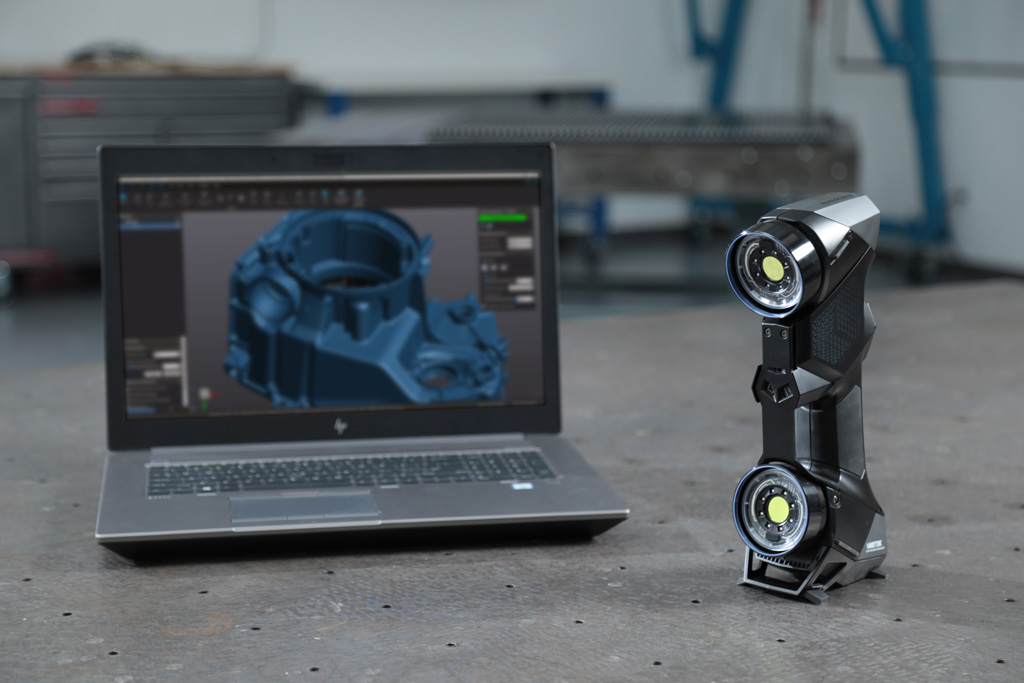
When to Buy a Metrology-Grade 3D Scanner
- Inspection happens every week, such as incoming parts, production sampling or supplier audits.
- Your engineers do frequent scan-to-CAD work.
- Parts are too large or sensitive to ship, so on-site access matters.
- You can commit to training and to ongoing inspection software licenses.
Should You Bring Equipment In-House? Equipment, Services, Costs and ROI
Use these criteria to test any equipment ROI case.
Total cost of ownership covers much more than the purchase price. It includes installation, facility upgrades, software, consumables, maintenance contracts, training and labor. Compare that figure against your current annual outsourcing spend, plus any measurable savings from reduced downtime or faster product launches. Also check whether reliable service providers in your region already meet your turnaround needs.
Your Best Next Step
We won't push a specific machine. Instead, send us a few details:
- A representative part or CAD file
- Critical tolerances and material requirements
- Estimated annual volume
- Your current outsourcing costs and lead times
With that information, NeoMetrix can recommend a service-first, equipment-first or hybrid path, backed by real numbers.
Talk Through Your Application With NeoMetrix
Get clear, unbiased guidance on 3D printing, 3D scanning and equipment ROI from engineers who do both.