
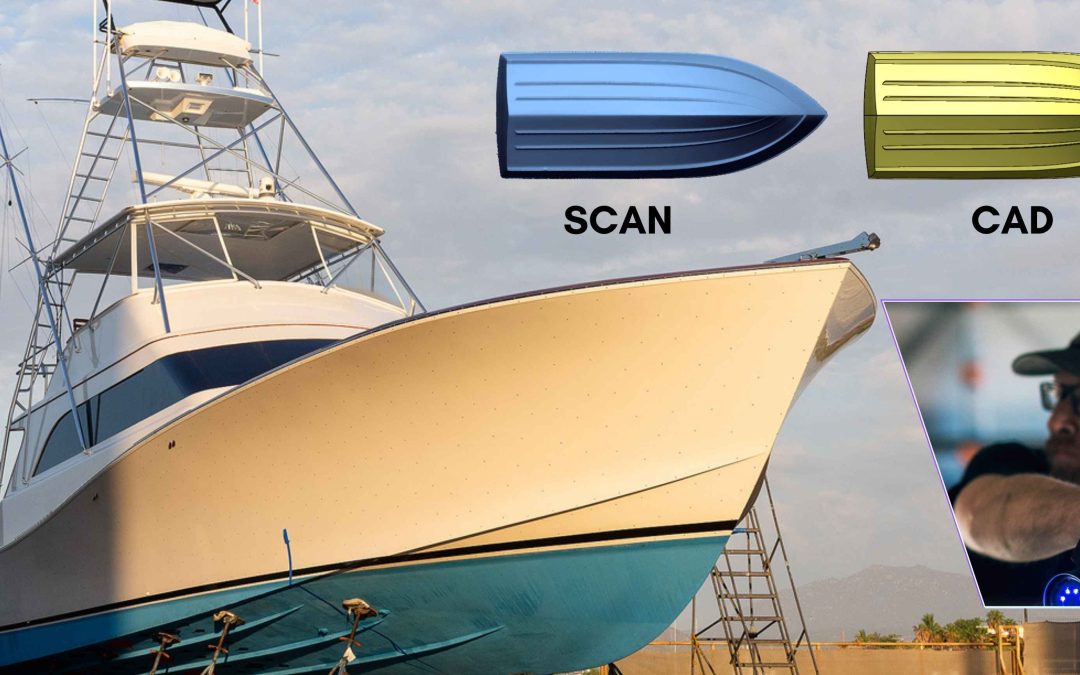
You need accurate geometry from an existing boat hull or deck, but what should you actually request: a 3D scan, a CAD model or a dimensional comparison?
The answer depends on what happens after measurement. A repair yard documenting existing conditions, a boatbuilder developing a new component and an engineer checking a hull against a design may need different outputs. NeoMetrix Technologies provides marine 3D scanning and reverse engineering services that connect the physical vessel to the data your next engineering task requires.
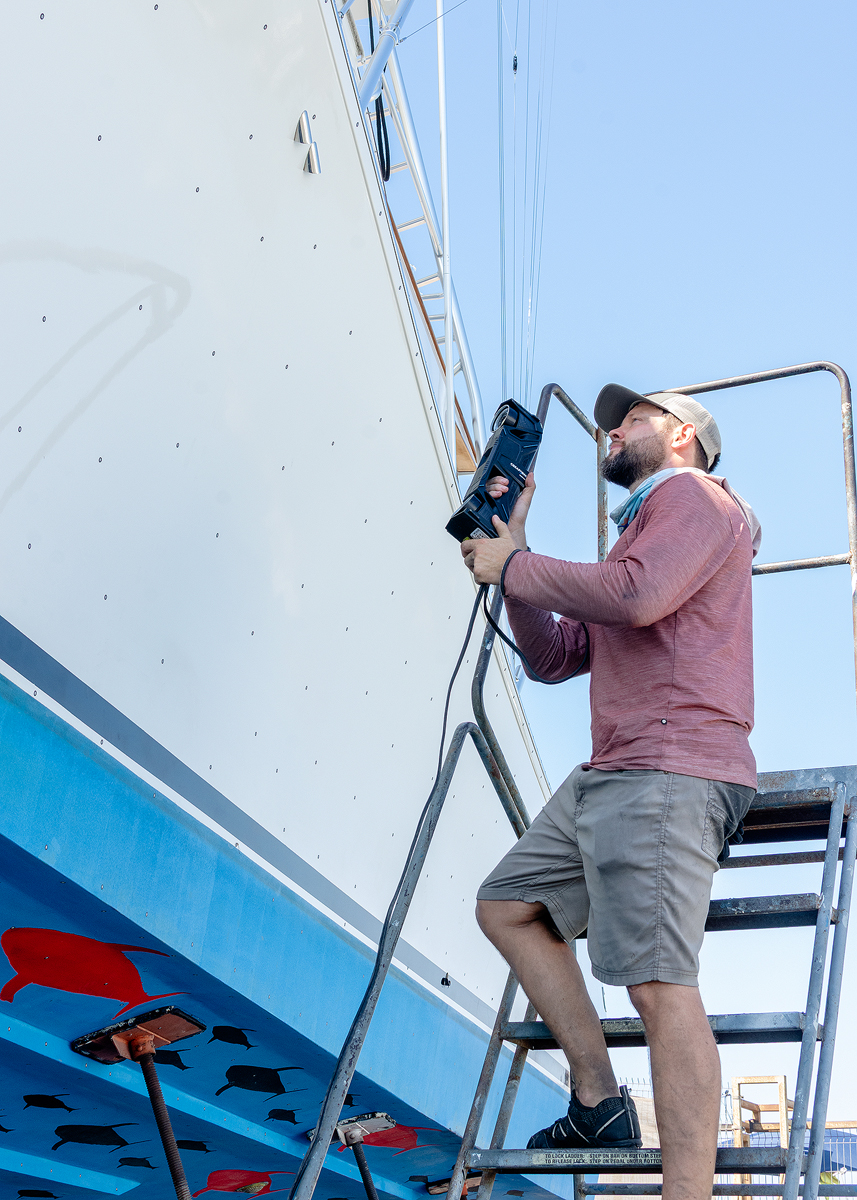
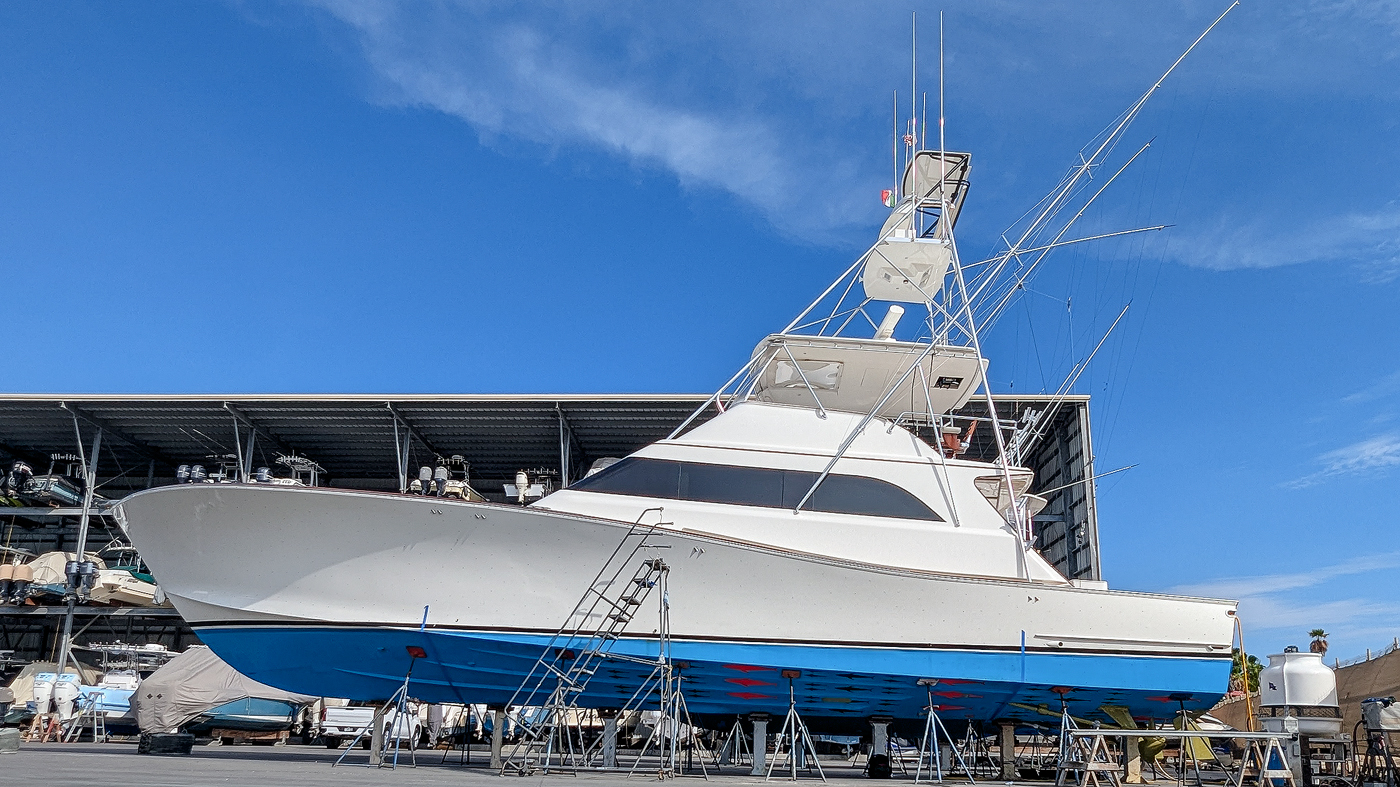
What does a boat hull 3D scan give you?
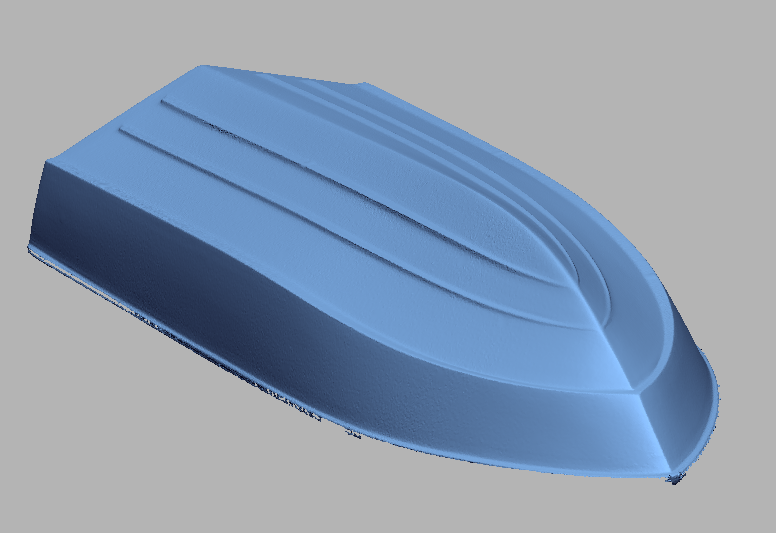
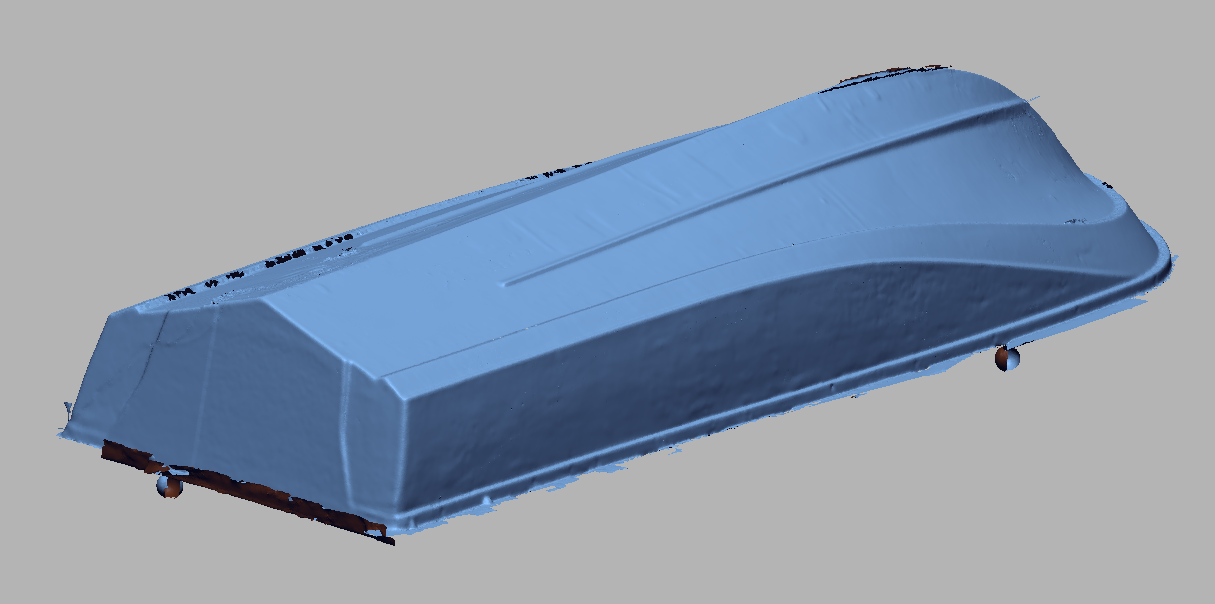
Scanning captures accessible surface geometry. Depending on the measurement system and processing scope, the deliverable may include a point cloud or polygon mesh. A mesh represents the measured shape through many small faces; it is useful for visualization and as a reference for further modeling.
However, a scan mesh is not automatically an editable engineering CAD model. If you need surfaces, solid geometry or design features that can be modified in your CAD software, specify that requirement when requesting a quote.
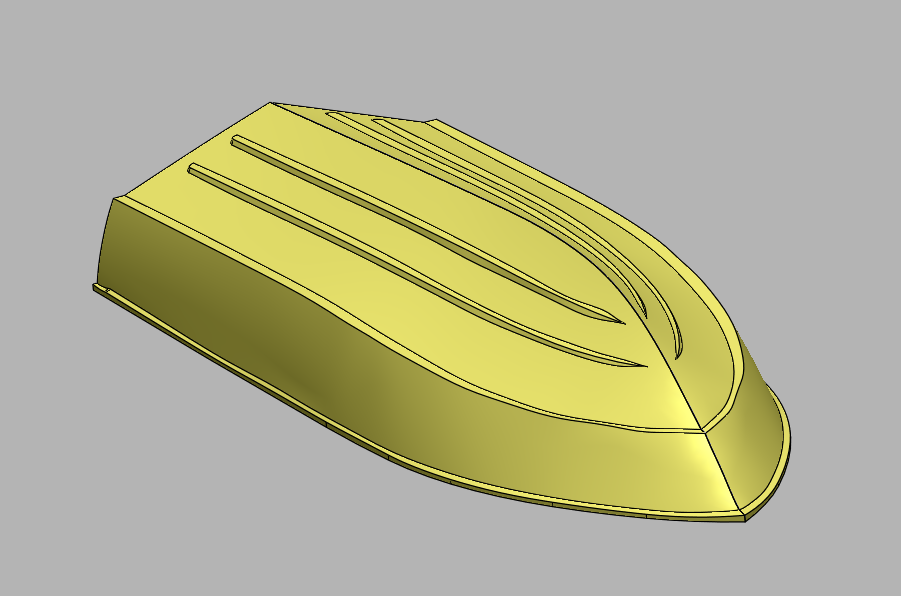
When do you need a CAD model instead of a mesh?
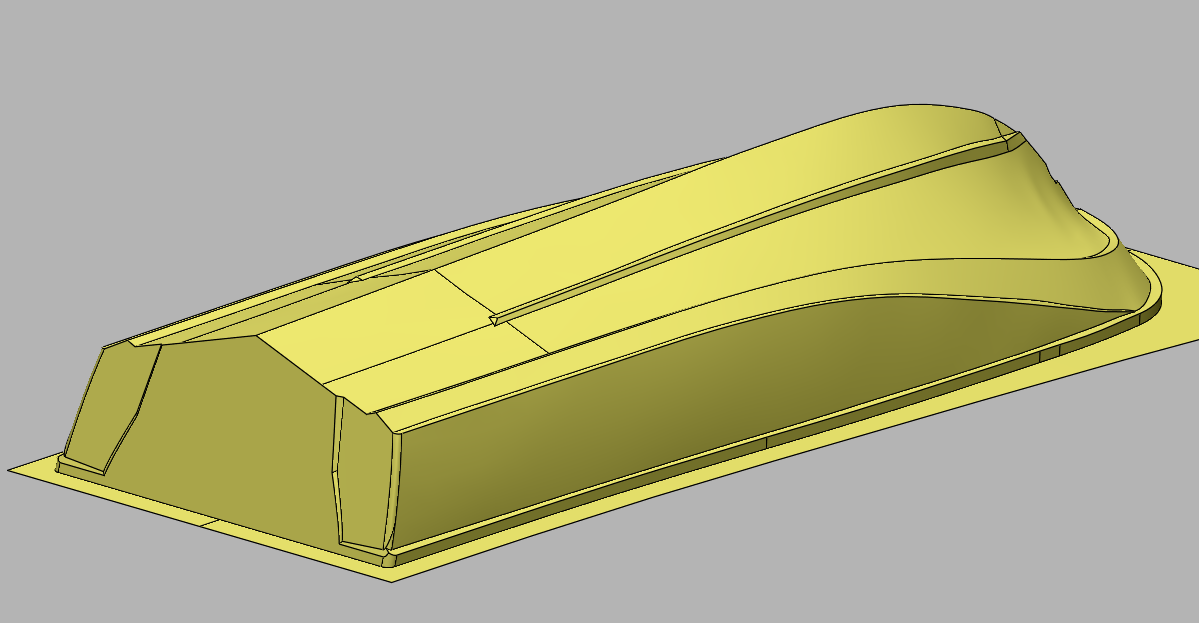
Marine scan-to-CAD work is useful when you need to develop mating components, revise a hull feature, recreate unavailable geometry or produce a design reference from an existing vessel.
With Geomagic Design X, scan data can support surface and solid modeling. The modeling approach should reflect the task: preserving an existing shape, reconstructing intended geometry or developing a modified design.
Specify your CAD software and required exchange format. A STEP file can carry solid or surface geometry, but it does not necessarily include the native feature history of your CAD system. Agree on the level of editability and the areas that need detailed reconstruction before modeling begins.
NeoMetrix's boat hull and deck modeling example shows how measured hull geometry can become a CAD deliverable. Its hull scanning project for strake design offers another application-focused example.
What if your question is whether the geometry matches the design?
That calls for an inspection scope. Scan data can be compared with reference CAD to assess selected surface deviations, sections or features. Geomagic Control X provides tools for scan-based comparison and reporting.
The alignment method and acceptance criteria matter. Define the reference geometry, coordinate system and areas of interest so the results answer the engineering question you are asking.
What affects the scanning scope and price?
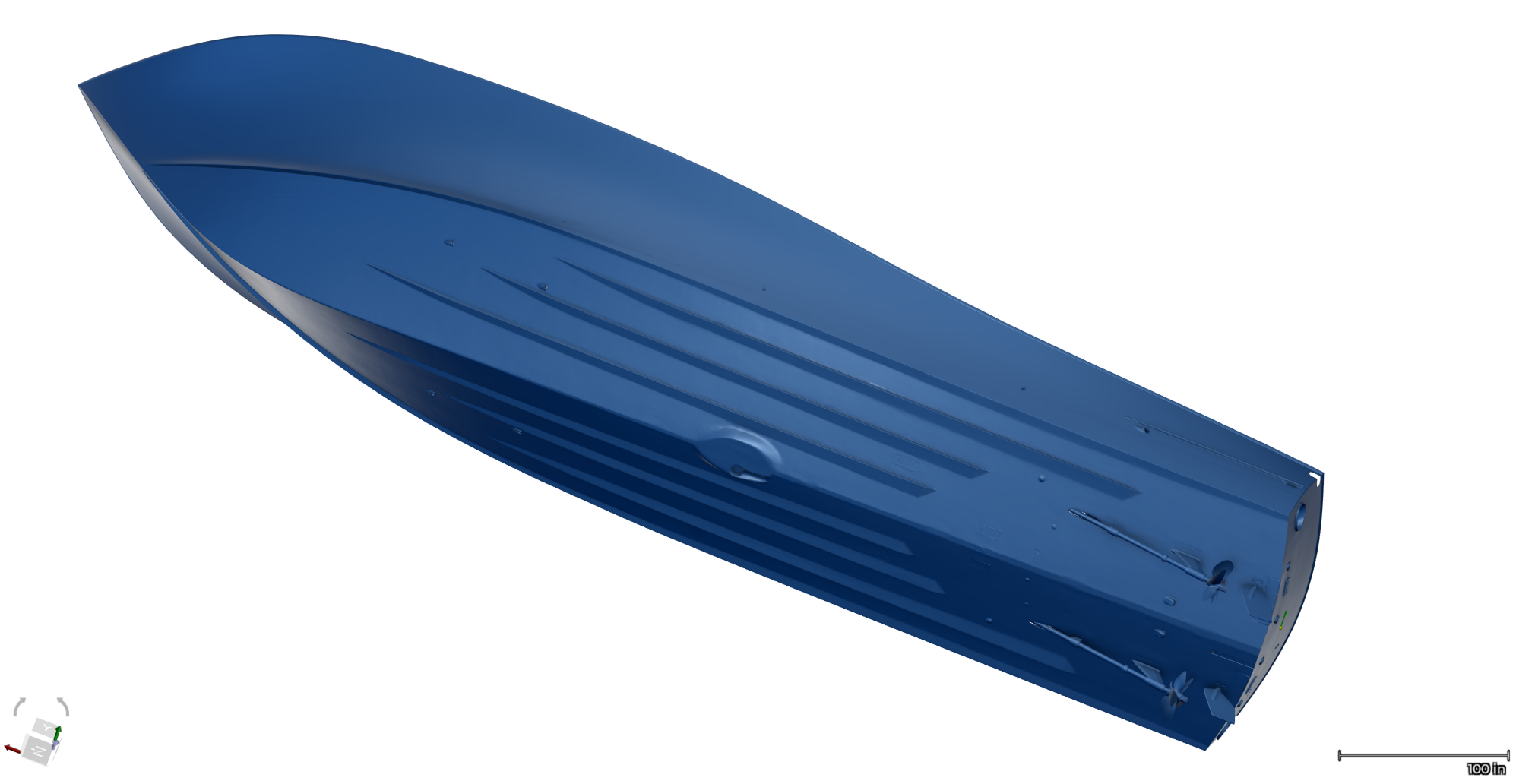
Hull dimensions are only one factor. Site access, vessel positioning, visible surfaces, obstructions, required detail and the final deliverables all influence the measurement and modeling effort.
Provide photos and explain whether you need the exterior hull, deck, interior or selected interfaces. Identify critical mounting areas and any sections that cannot be accessed. Large surfaces and small detailed components may require different measurement approaches; NeoMetrix can scope the appropriate technology before quoting.
What should you send for a marine scanning quote?
- Overall vessel dimensions and the surfaces to capture.
- Photos showing access, obstructions and vessel positioning.
- Your engineering objective and critical interfaces.
- Required mesh, CAD or inspection outputs and file formats.
- Project location and target delivery date.
Do you need to document the existing shape, create editable geometry or check it against a design?
Contact NeoMetrix with your marine project details for a scanning and modeling scope. If you are evaluating in-house capabilities, explore Creaform HandySCAN MAX systems and discuss your part sizes and measurement requirements with our team.