
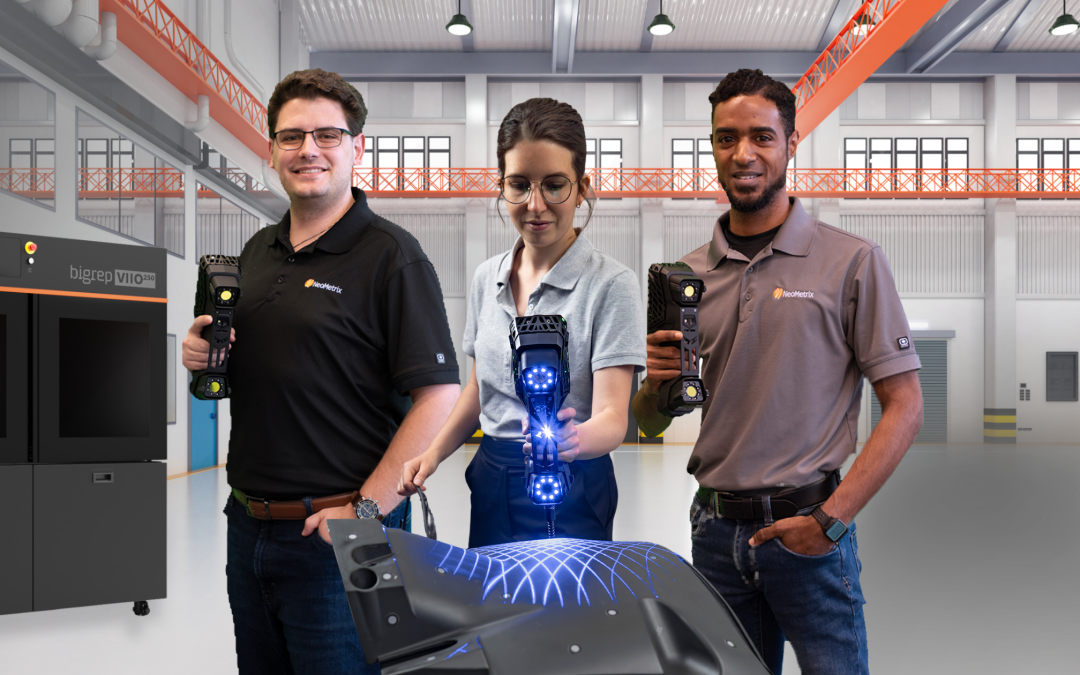
Manufacturing in the United States is evolving fast. Tighter tolerances, shorter lead times, and increasing design complexity are pushing engineering teams to adopt smarter, data-driven approaches.
The companies gaining an edge are not just investing in better machines—they’re integrating accurate measurement, digital modeling, inspection, and advanced manufacturing into a connected engineering strategy.
At the center of this shift is a powerful combination of technologies:
- High-accuracy 3D scanning
- Intelligent reverse engineering
- Advanced inspection and analysis
- Industrial-grade additive manufacturing
Together, these capabilities allow engineering teams to move faster, reduce iteration cycles, and produce parts that meet spec the first time.
Let's stay connected!
Capture Reality with High-Accuracy 3D Scanning
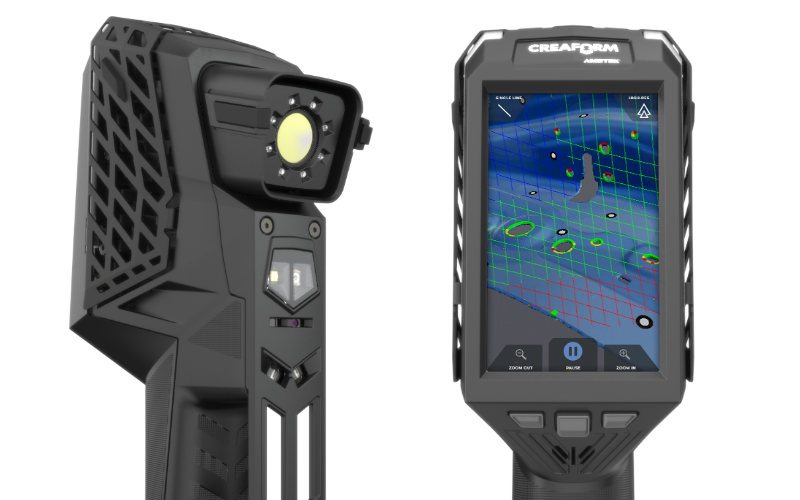
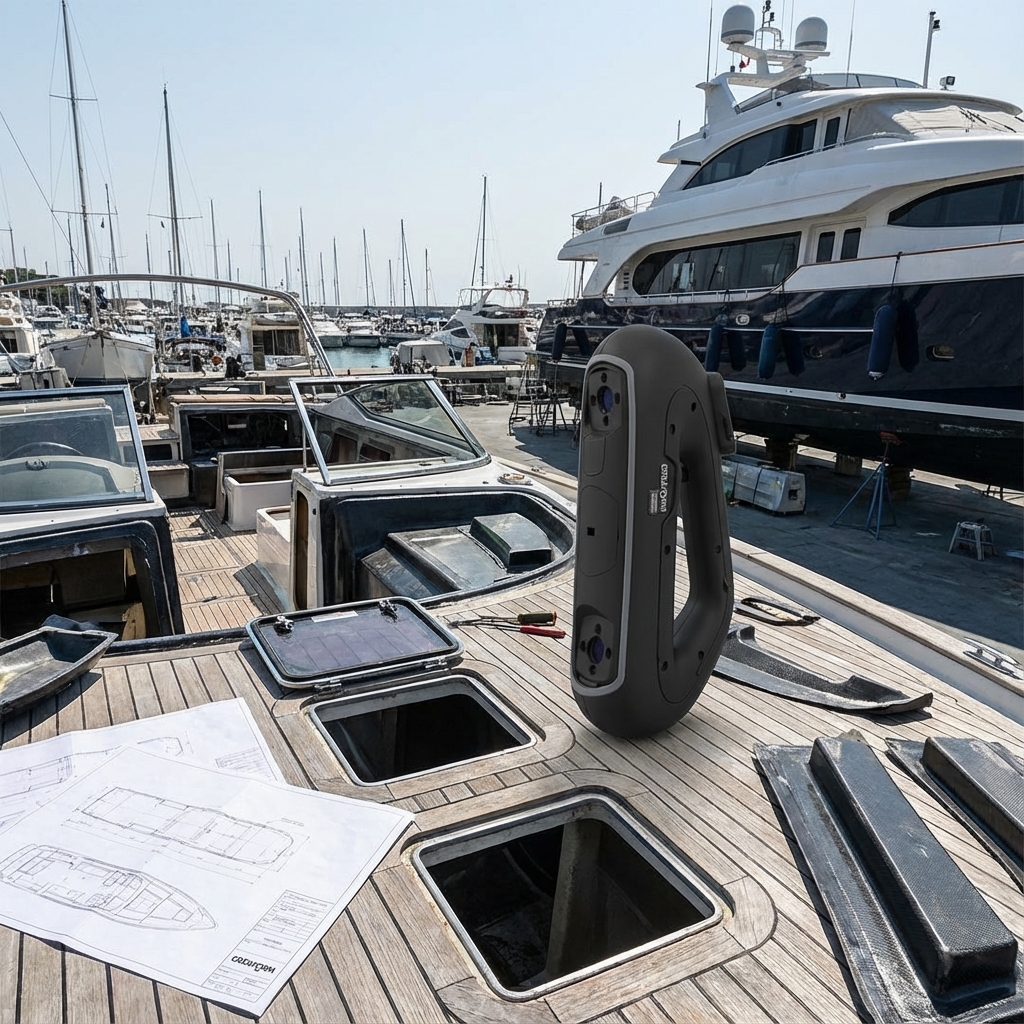
The first step in smarter manufacturing is capturing real-world geometry accurately and quickly.
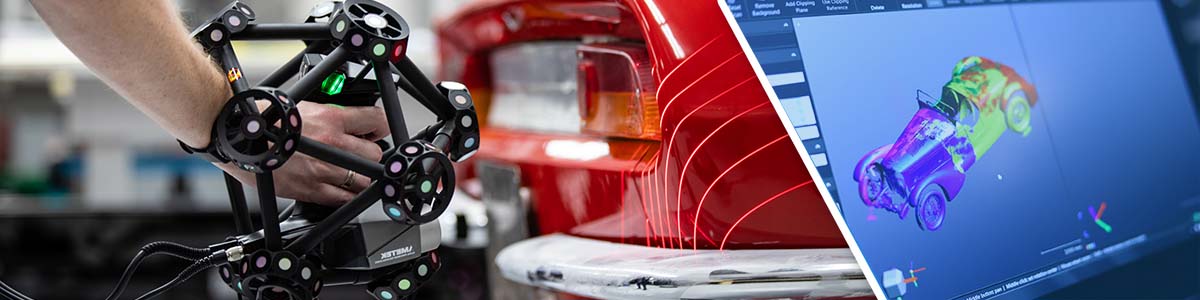
Modern handheld scanners like the HandySCAN EVO and PRO series are designed for shop-floor environments—delivering metrology-grade accuracy without the need for controlled setups.
Key capabilities:
- Accuracy up to 0.025 mm (0.0009 in)
- High-resolution mesh generation for complex geometries
- Dynamic referencing for stable scans—even on large parts
- Fast acquisition with multiple laser lines
This allows engineers to digitize anything from small precision components to large assemblies, creating a reliable digital foundation for downstream engineering.
Reverse Engineering: From Mesh to Manufacturing-Ready CAD
Once scan data is captured, it becomes a powerful engineering asset.
Reverse engineering tools convert raw mesh data into fully parametric CAD models, enabling:
- Redesign of legacy or undocumented parts
- Design modifications based on real-world geometry
- Rapid recreation of worn or damaged components
- Optimization of complex surfaces and organic shapes
Instead of rebuilding designs from scratch, engineers can work from exact digital representations of physical parts, dramatically reducing design time and risk.
Inspection & Analysis: Validate Before It Costs You
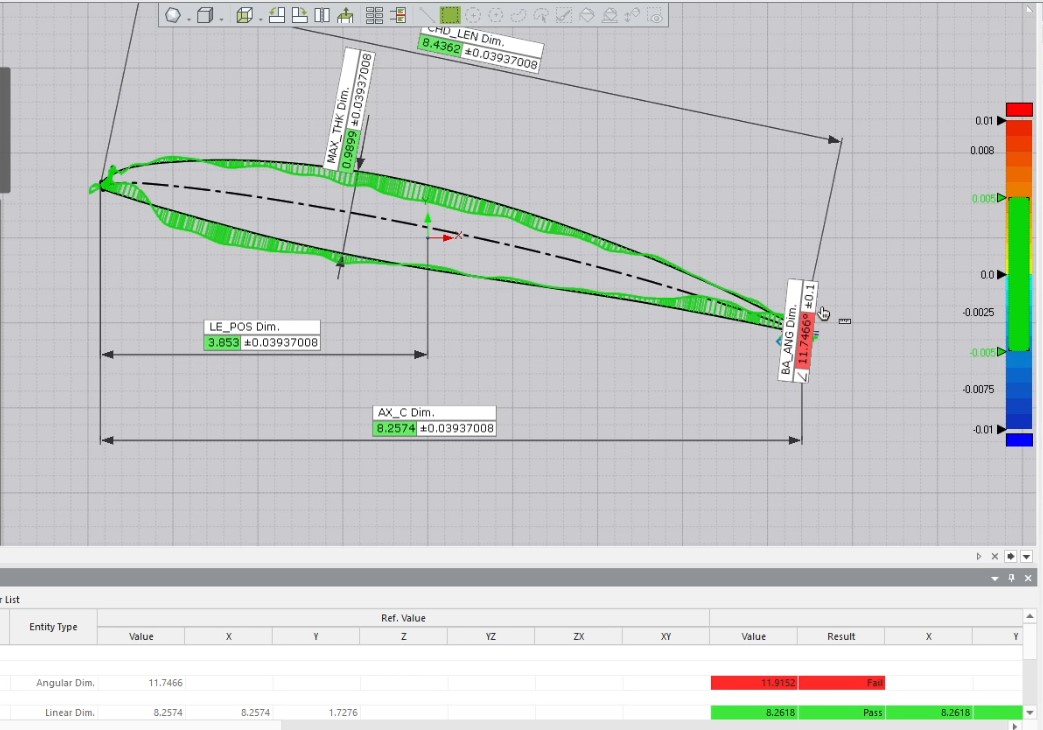

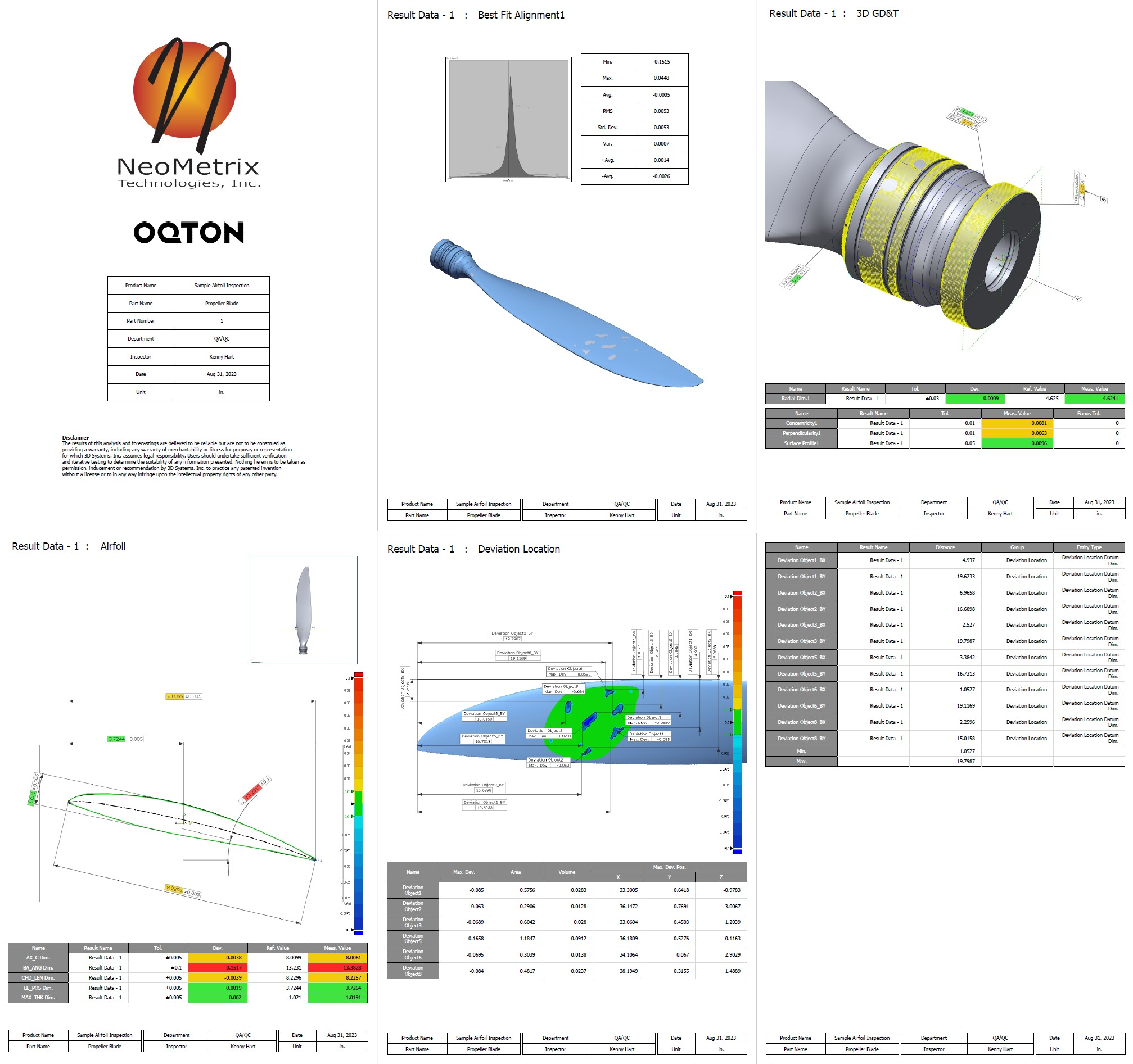
Easily build custom reports!
Inspection is no longer limited to manual measurement or sample-based validation.
With digital inspection and analysis tools, engineers can compare scanned data directly to CAD models and identify even the smallest deviations.
What this enables:
- Full-surface inspection instead of point-based checks
- Color maps showing deviation across entire parts
- GD&T analysis for compliance verification
- Faster reporting for QA and production teams
This level of insight ensures parts meet design intent before they move further into production—saving time, cost, and rework.
Advanced 3D Printing: From Prototype to Production
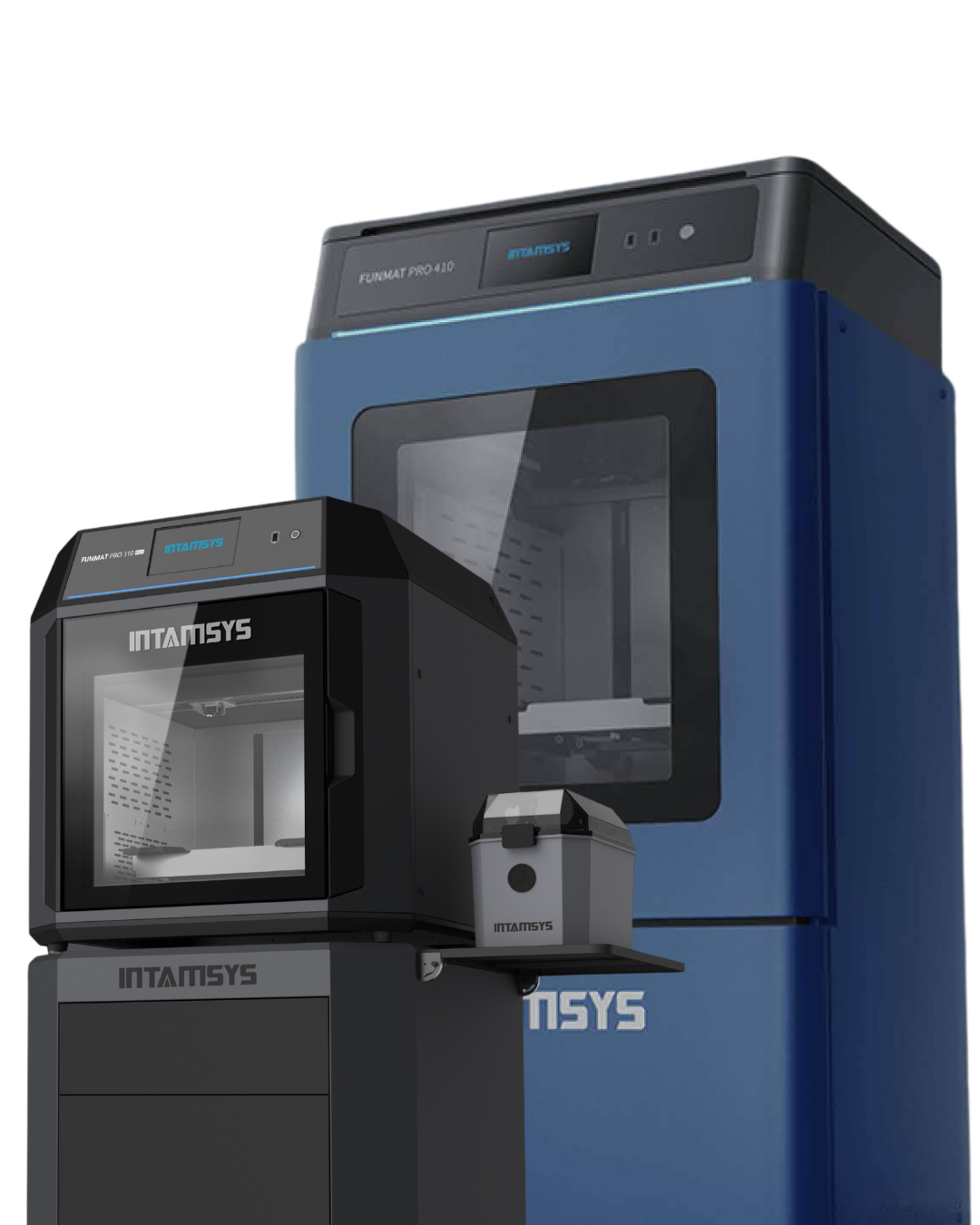
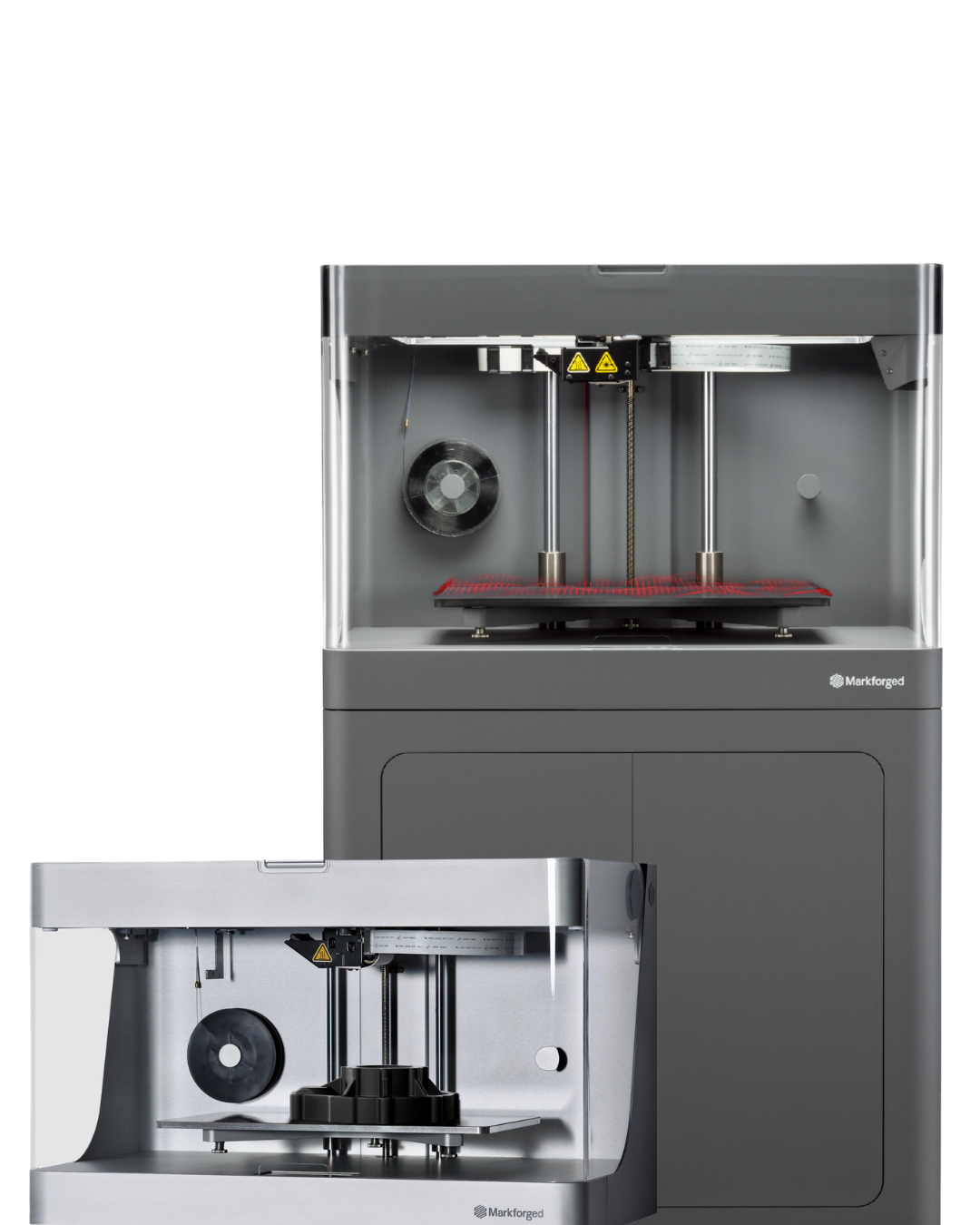
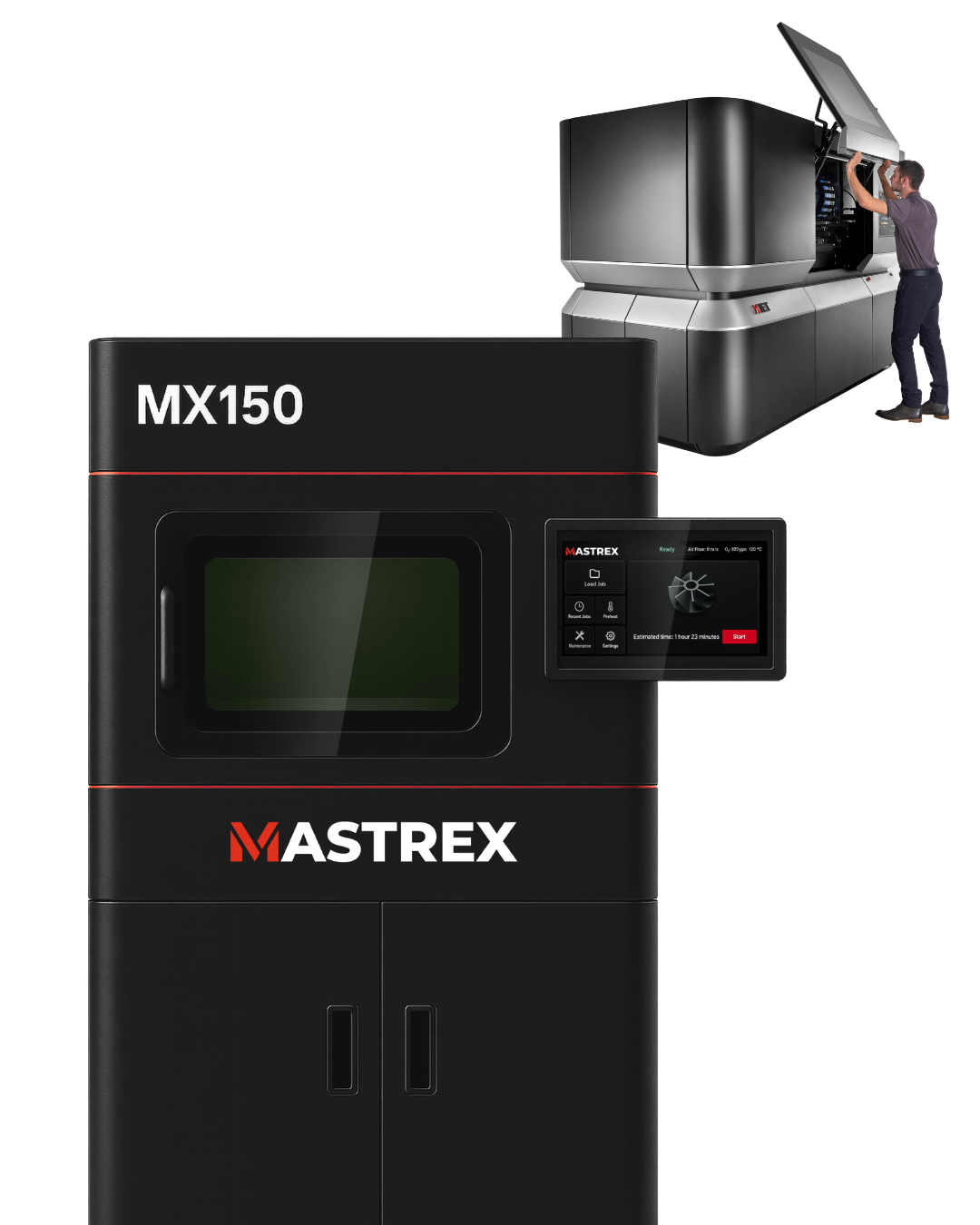
- High-Temp + Engineering-grade - INTAMSYS
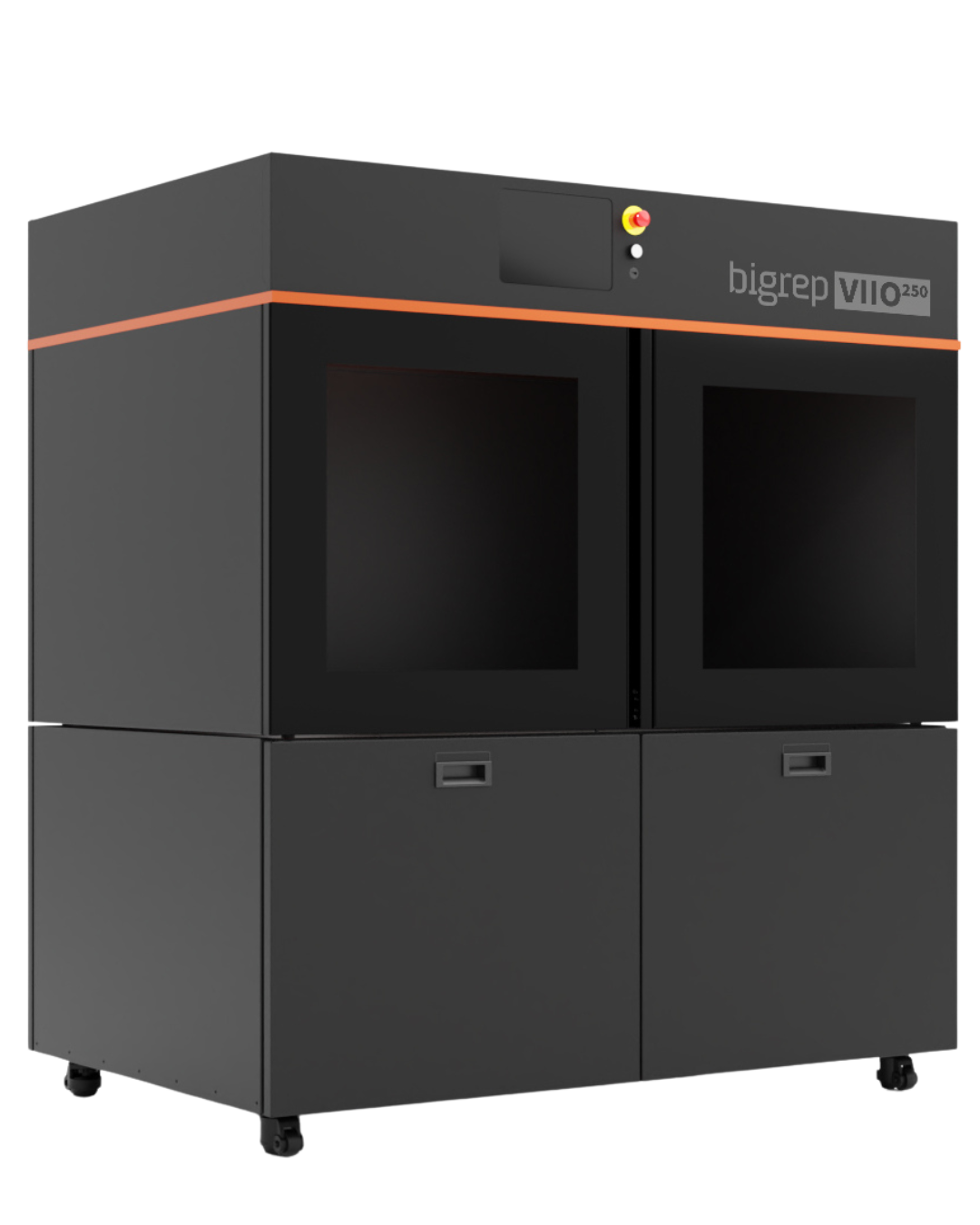
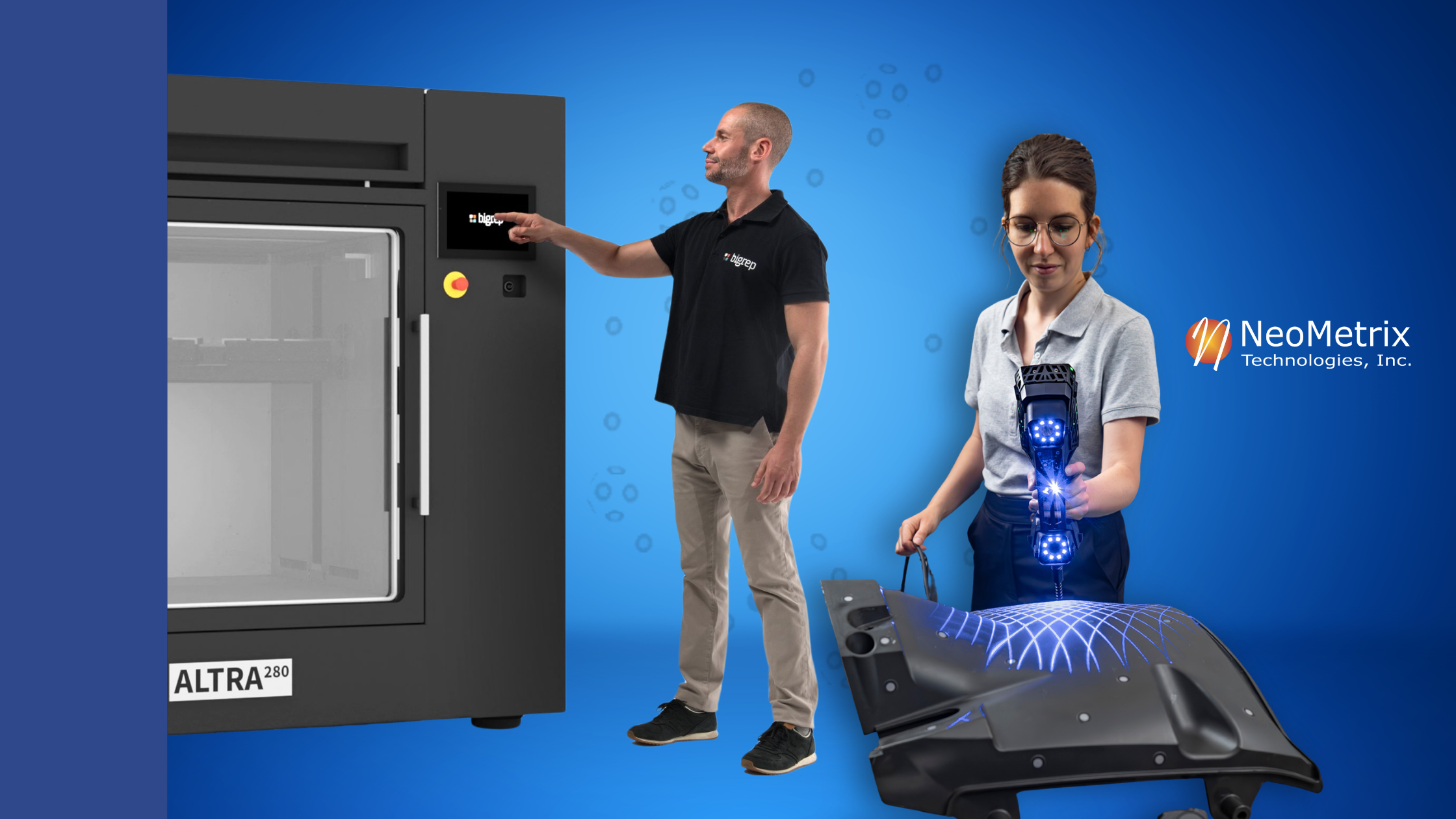
- Large-Format Production- BigRep
- Composite & Metal Systems: Markforged
- Metal & Ceramic- XJET & MASTREX
- Prints PEEK, PEKK, PEI (ULTEM) and other engineering-grade polymers
- Nozzle temperatures up to 500°C
- Heated chamber for dimensional stability
- Designed for aerospace, medical, and high-performance applications
- Build volumes up to 1 cubic meter class
- Ideal for tooling, molds, fixtures, and large components
- High-throughput extrusion for production-scale output
- Continuous fiber reinforcement (carbon fiber, fiberglass, Kevlar)
- Strong, lightweight functional parts
- Metal printing for end-use components with high strength and precision
- Advanced metal and ceramic 3D printing technologies
- High-detail resolution and complex internal geometries
- Ideal for industries requiring precision, thermal resistance, or chemical stability
The Real Advantage: Integrating the Full Scope
Individually, each of these technologies is powerful. But the real advantage comes when they are used together.
Example of a modern engineering approach:
- Scan an existing part with high accuracy
- Convert it into a parametric CAD model
- Analyze deviations and improve the design
- Produce a prototype or functional part using advanced 3D printing
- Re-scan and validate the final part against design intent
This creates a closed-loop engineering process that reduces guesswork and accelerates development.
Results companies are seeing:
- Faster product development cycles
- Reduced iteration and scrap
- Improved dimensional accuracy
- Greater design flexibility
- Shorter time-to-market
Smarter Manufacturing in the U.S.
As supply chains shift and domestic manufacturing becomes more critical, U.S.-based companies are investing in technologies that allow them to design, validate, and produce parts more efficiently in-house.
3D scanning, reverse engineering, inspection, and additive manufacturing are not just tools—they are becoming essential components of modern engineering strategy.
Companies that adopt these technologies are better equipped to:
-
Respond quickly to design changes
-
Maintain tighter quality control
-
Reduce reliance on external suppliers
-
Innovate faster across product lines
Looking to Outsource? NeoMetrix Can Help
Not every organization needs to invest in equipment upfront.
NeoMetrix provides 3D scanning, reverse engineering, inspection, and 3D printing services for companies looking to move quickly without adding internal overhead.
Whether you need:
- A part scanned and converted to CAD
- Inspection and deviation analysis
- Functional prototypes or production parts
- Support with complex engineering challenges
Our team works directly with your engineers to deliver accurate, production-ready results.
Your Home for 3D Solutions!
Book a demo!
Our team of experts are ready to help.