
An oversized fixture. Another delayed prototype. A custom component that costs too much to outsource.
When these problems keep returning, it may be time to evaluate large format 3D printing for your own facility.
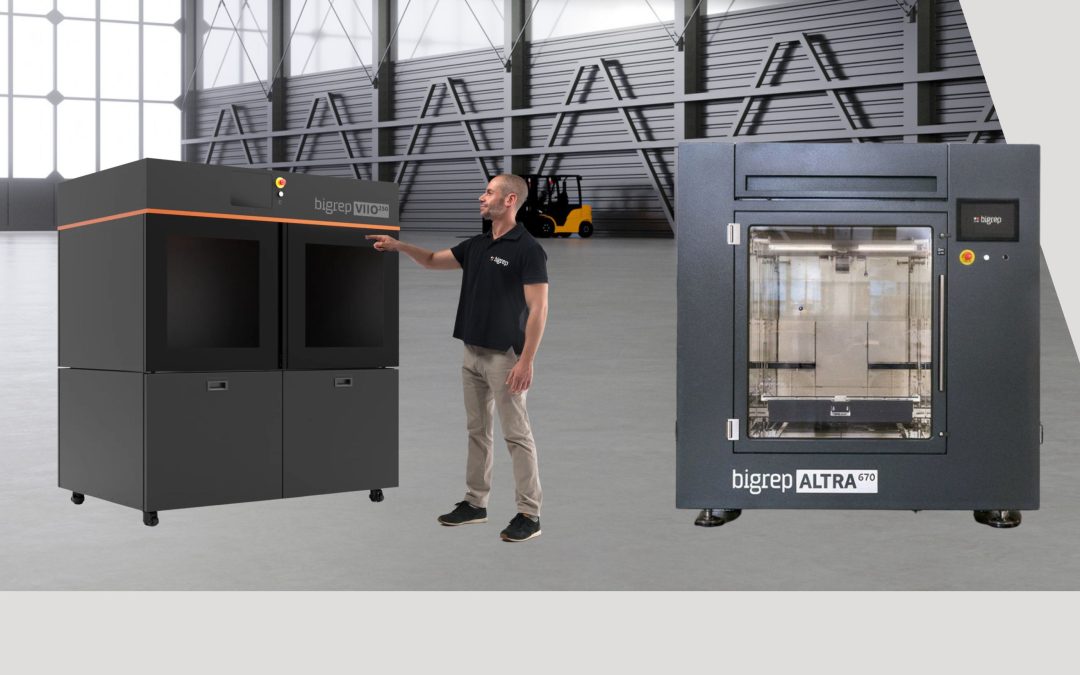
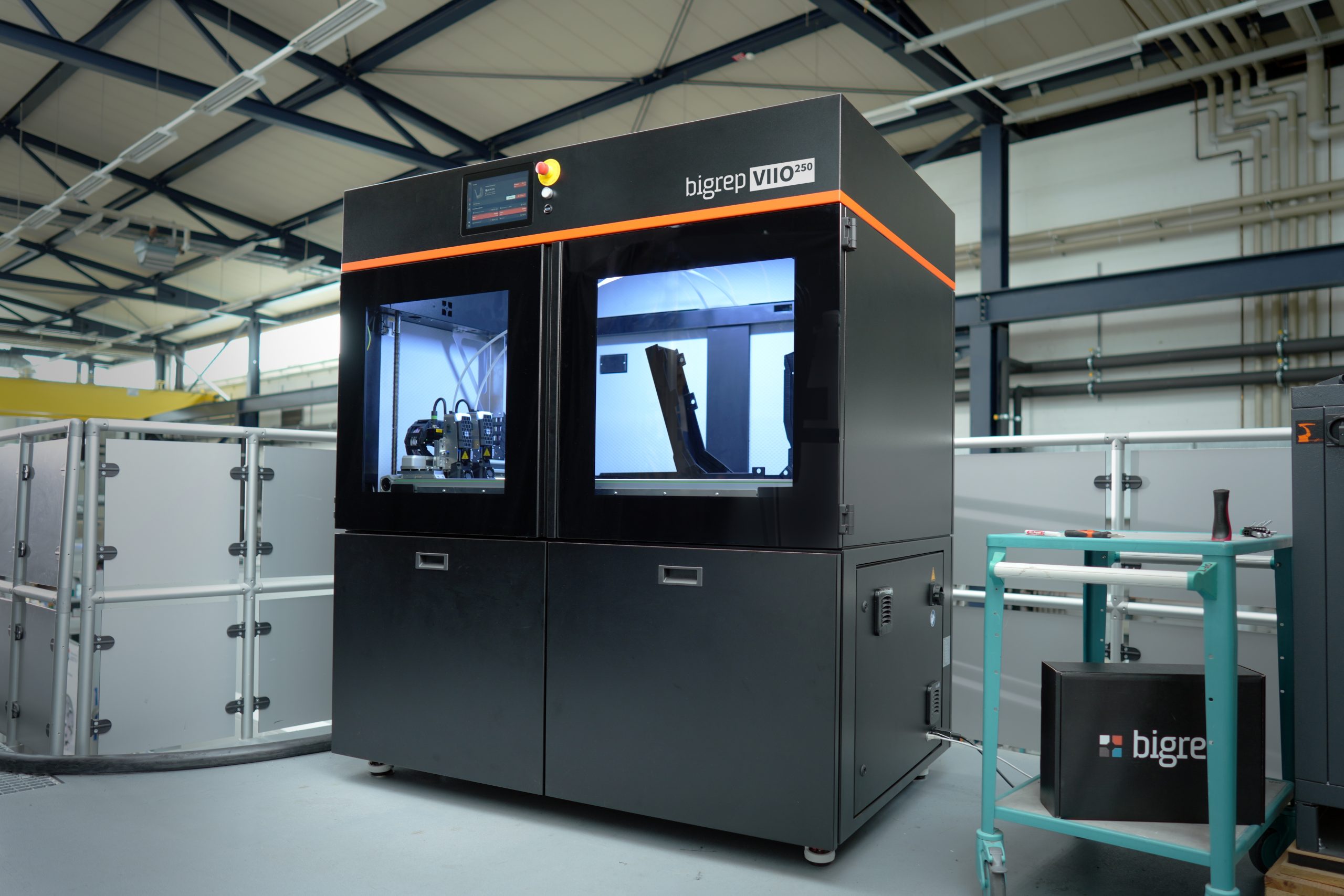
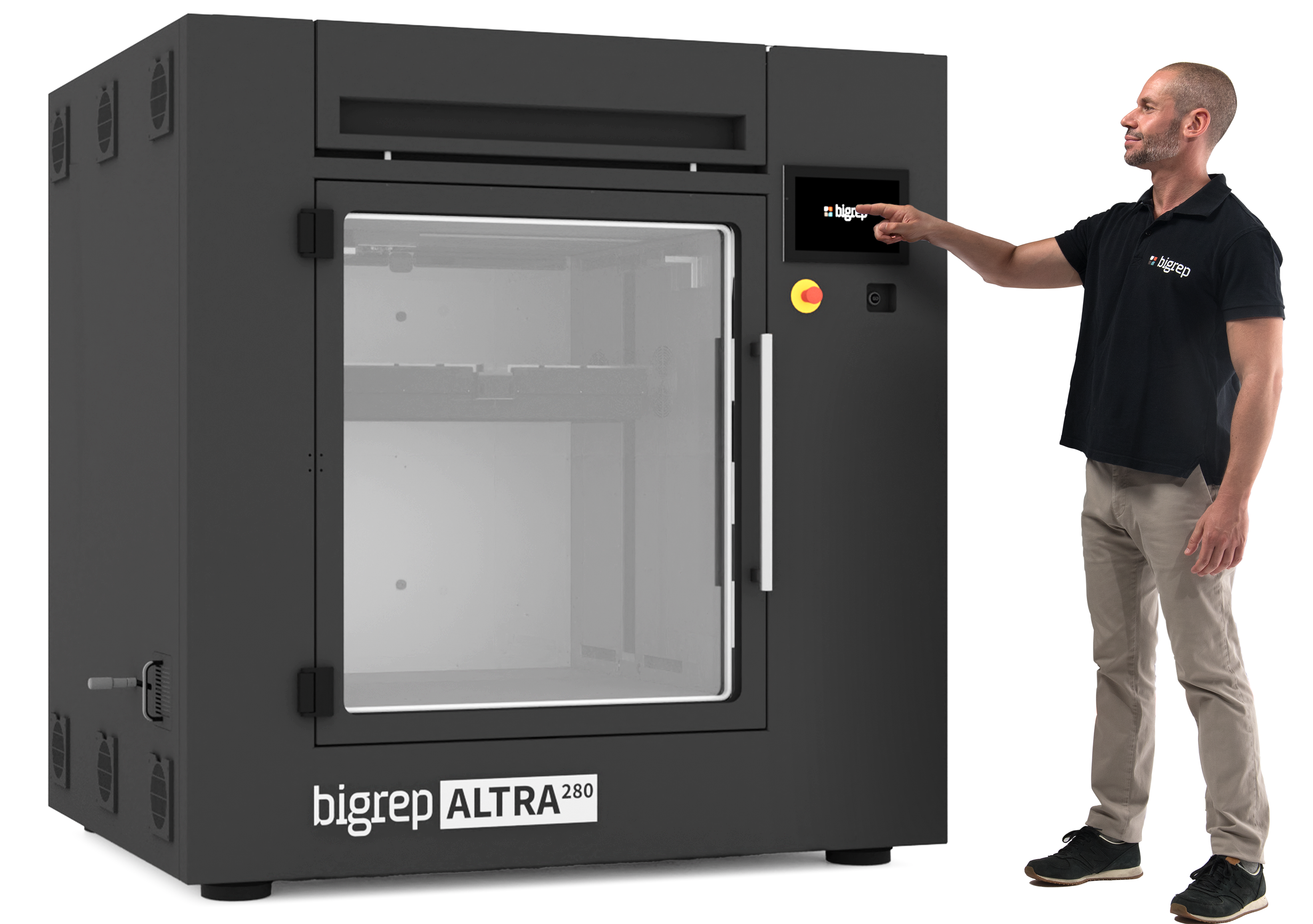
The BigRep VIIO 250, ALTRA 670, and ALTRA 280 give manufacturers three options to explore based on part dimensions, material requirements, and production demands. The starting point is the component you need to make—and the cost of continuing to produce it the same way.
Our featured system, the BigRep VIIO 250, puts automated large-part production at the center of that discussion. For applications requiring a larger heated build area or higher chamber temperatures, the ALTRA 670 and ALTRA 280 expand the conversation.
At NeoMetrix Technologies, we help you turn those requirements into an equipment discussion: which machine fits, which materials deserve testing, and what belongs in your purchasing proposal.
Have a project planned for this year or next? Start with an application review so your team can evaluate equipment, budget, and implementation timing.
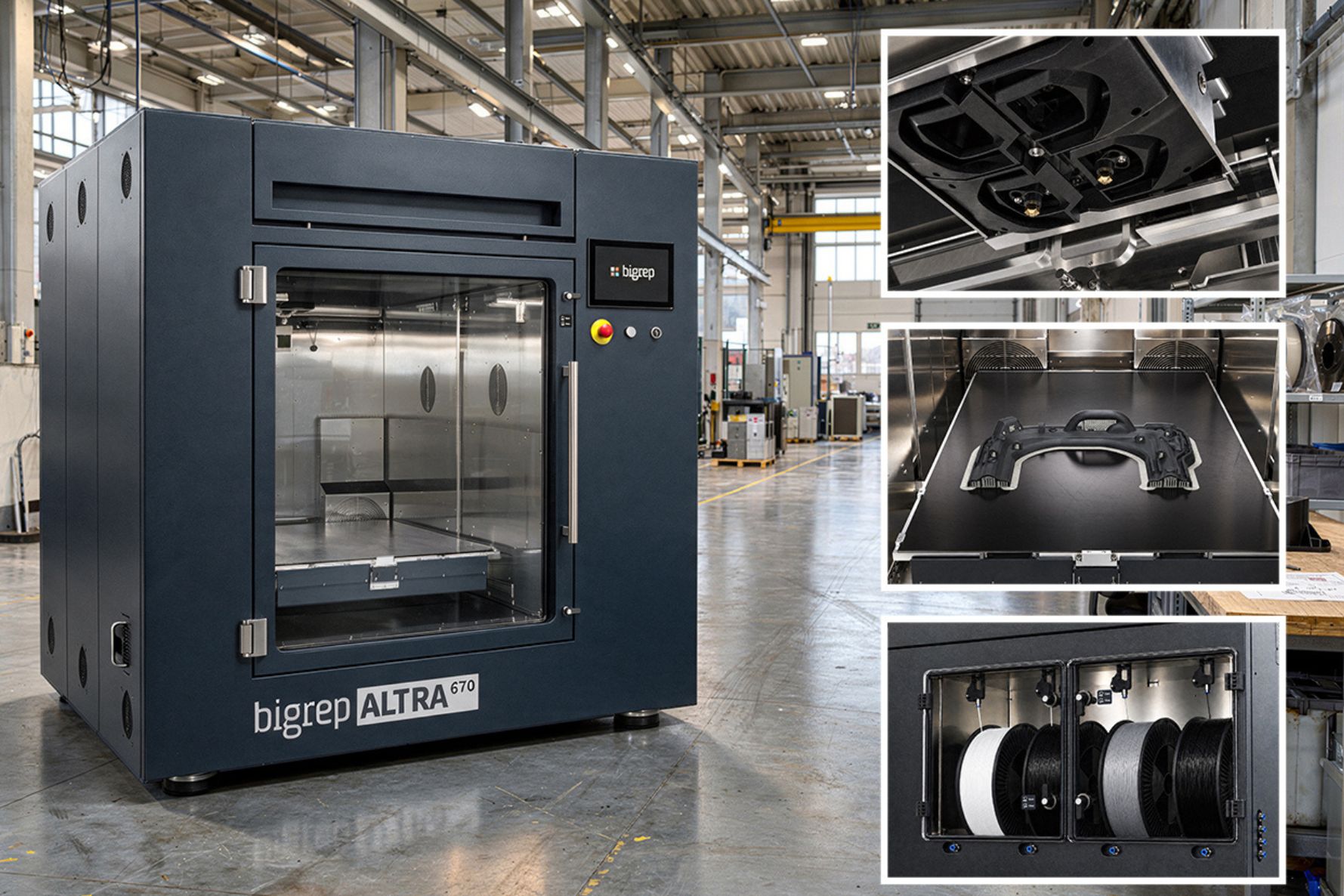
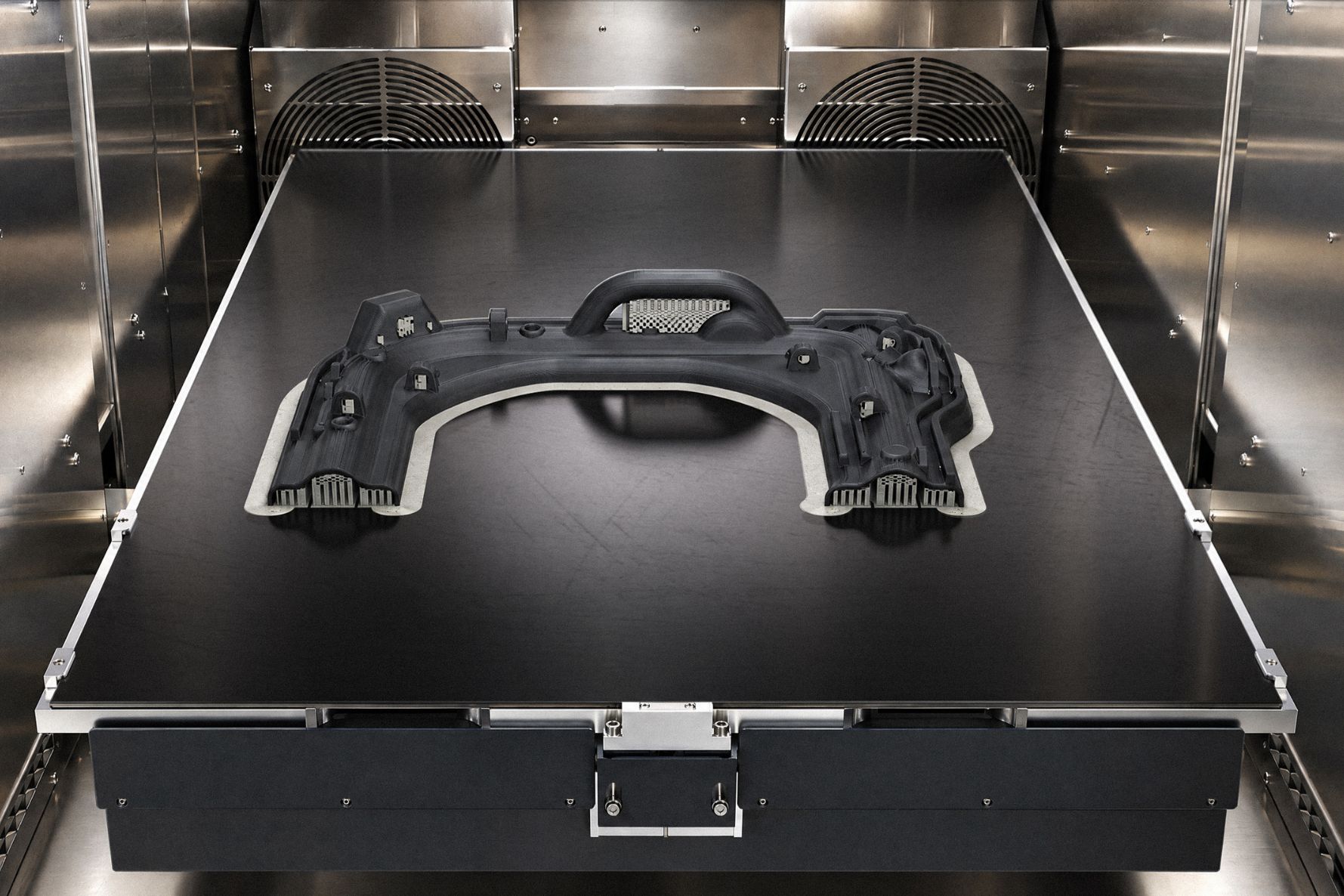
Introducing the New BigRep ALTRA 670
More room for your next big idea. Explore large format, high-temperature 3D printing for industrial parts, tooling, and full-size prototypes.
Which Materials Should You Consider for Large Format 3D Printing?
Material selection should begin with service conditions and the purpose of the part.
| Material | Potential applications | What to evaluate |
|---|---|---|
| ABS | Tough prototypes, housings, and industrial components | Impact exposure, heat, and dimensional requirements |
| ASA | Exterior enclosures and components exposed to sunlight | UV exposure, weathering, and mechanical loads |
| PC — Polycarbonate | Demanding functional prototypes and components | Specific grade, thermal requirements, and validated settings |
| PA12-CF — Carbon Fiber Nylon | Stiff, lightweight fixtures and production aids | Loading direction, moisture control, and required rigidity |
| TPU | Protective elements, bumpers, and flexible prototypes | Required hardness, deformation, and repeated loading |
ABS offers impact resistance; ASA is valued for weather and UV resistance. Carbon-fiber-filled PA12 emphasizes stiffness and low weight, while TPU addresses flexible applications.
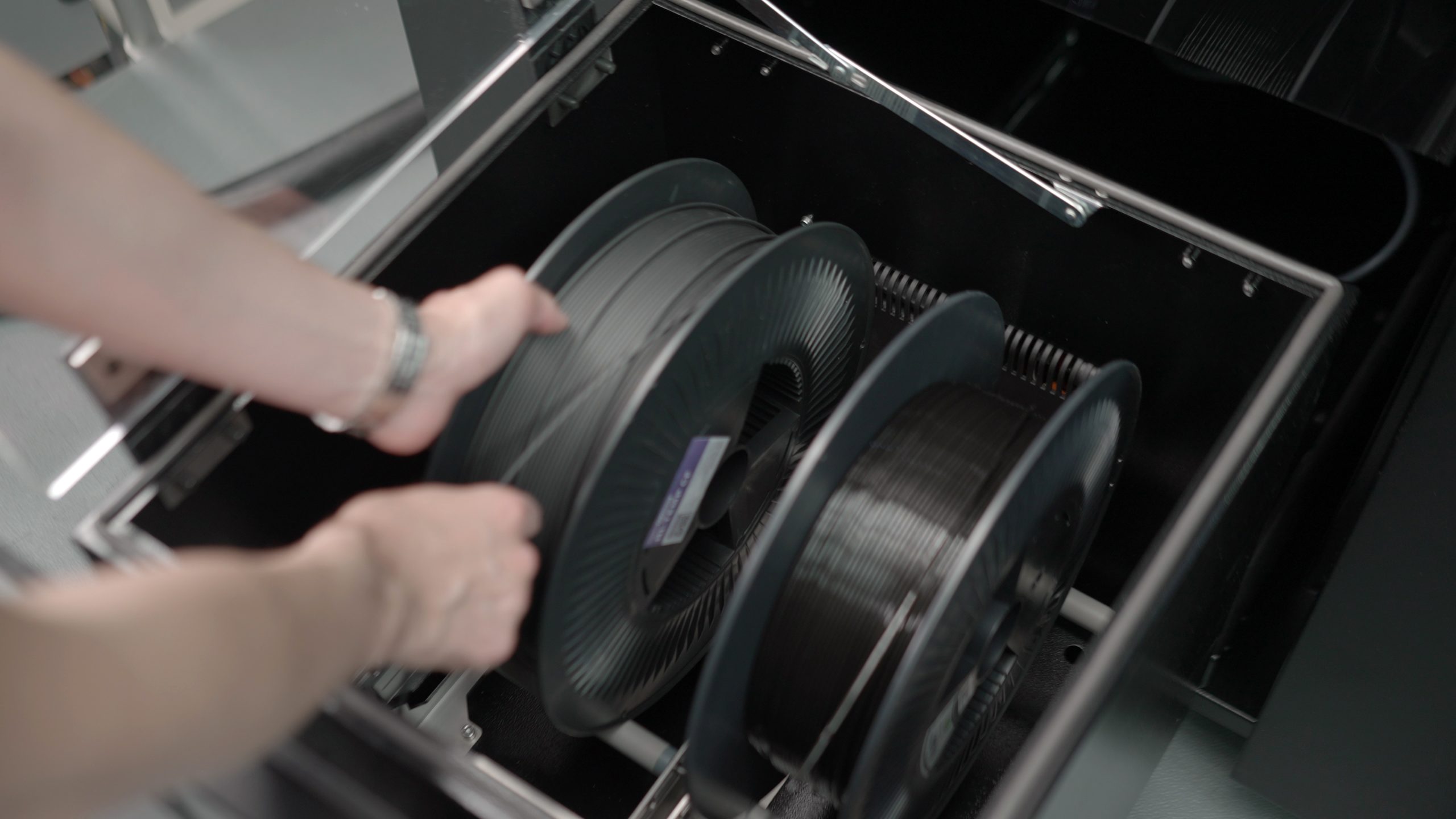
For the ALTRA 670, BigRep recommends ABS, ASA, and PC with BLADE profiles. Its broader compatibility list includes PA12-CF and TPU. Confirm the specific filament grade, diameter, preparation, and settings before committing to a production application.
Bigger Parts Need a Better Purchasing Brief
Before comparing industrial 3D printer quotes, gather:
- Dimensions of your largest realistic candidate parts.
- Required tolerances and critical surfaces.
- Operating temperature, loads, and chemical exposure.
- Expected monthly quantities.
- Current supplier cost and lead time.
- Required finishing, inspection, and facility preparation.
Also distinguish machine positioning specifications from finished-part tolerances. Request an application review or representative sample when dimensional performance will determine purchasing approval.
The strongest starting point is a recurring manufacturing problem with a measurable cost.
5 Powerful Large Format 3D Printing Applications Across Key Industries
Across automotive, aerospace, marine, and manufacturing, established applications show where large format additive manufacturing can be useful. These examples provide starting points for evaluating your next project.
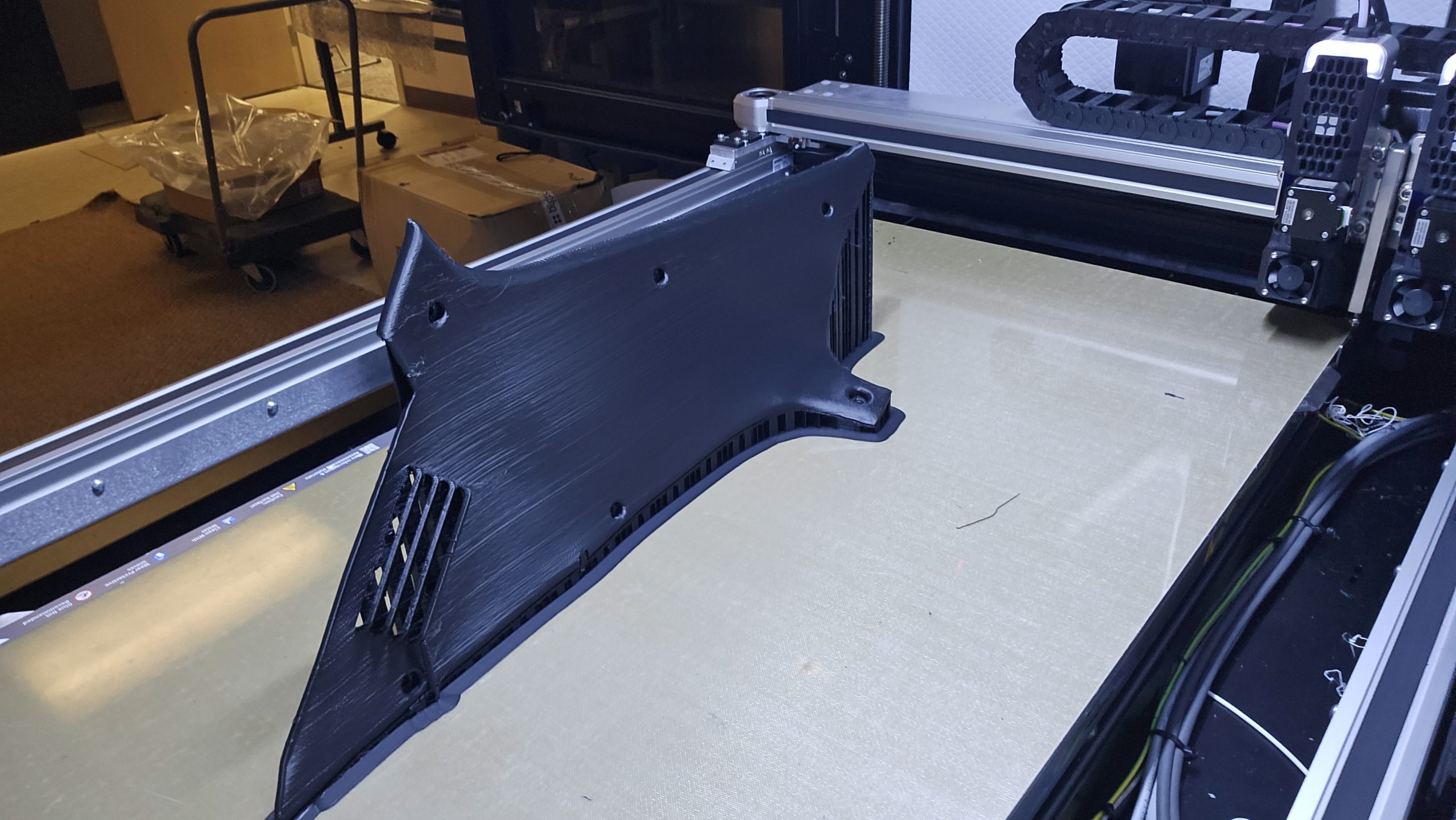
1. Automotive - OEM & Aftermarket
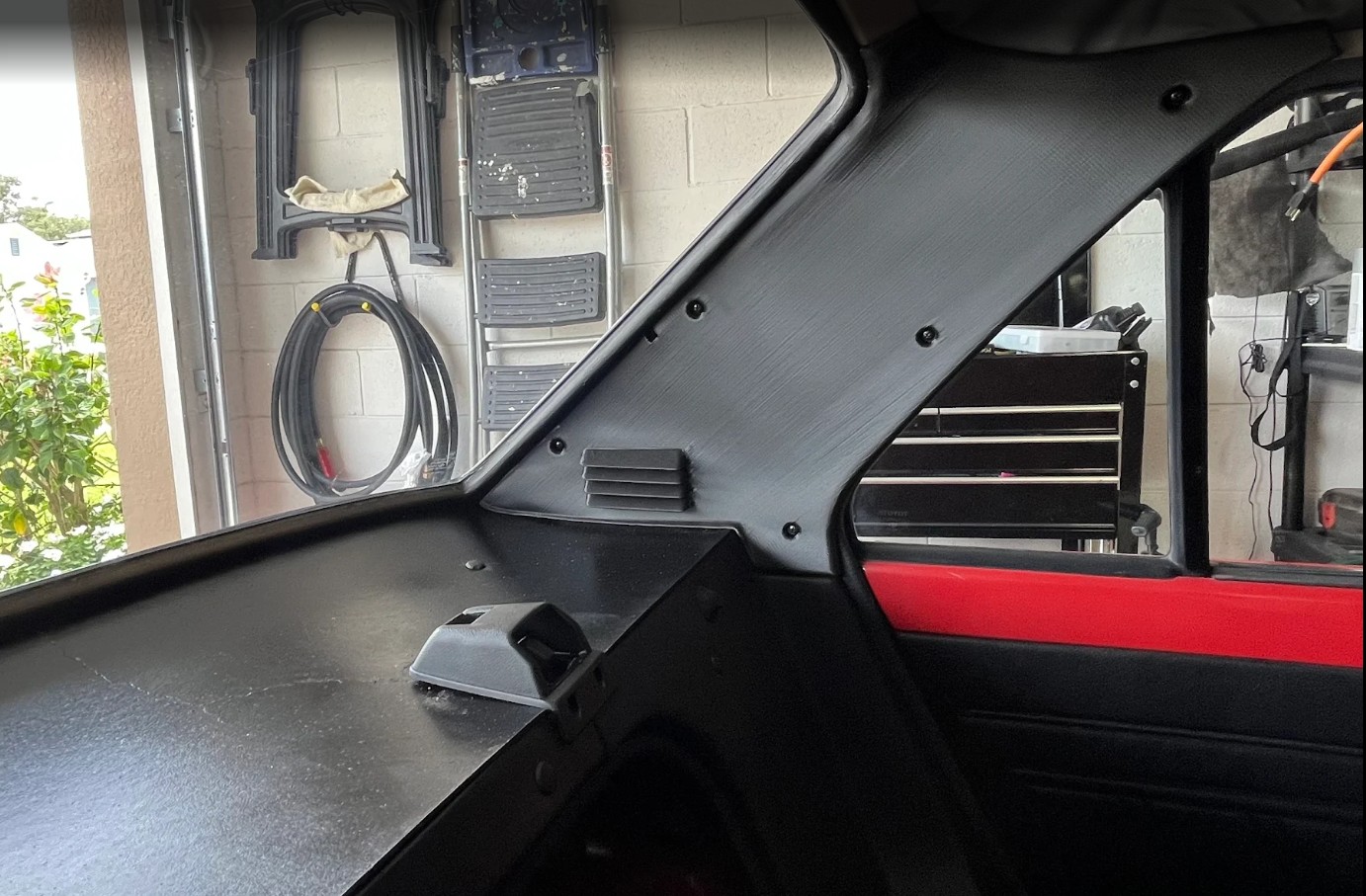
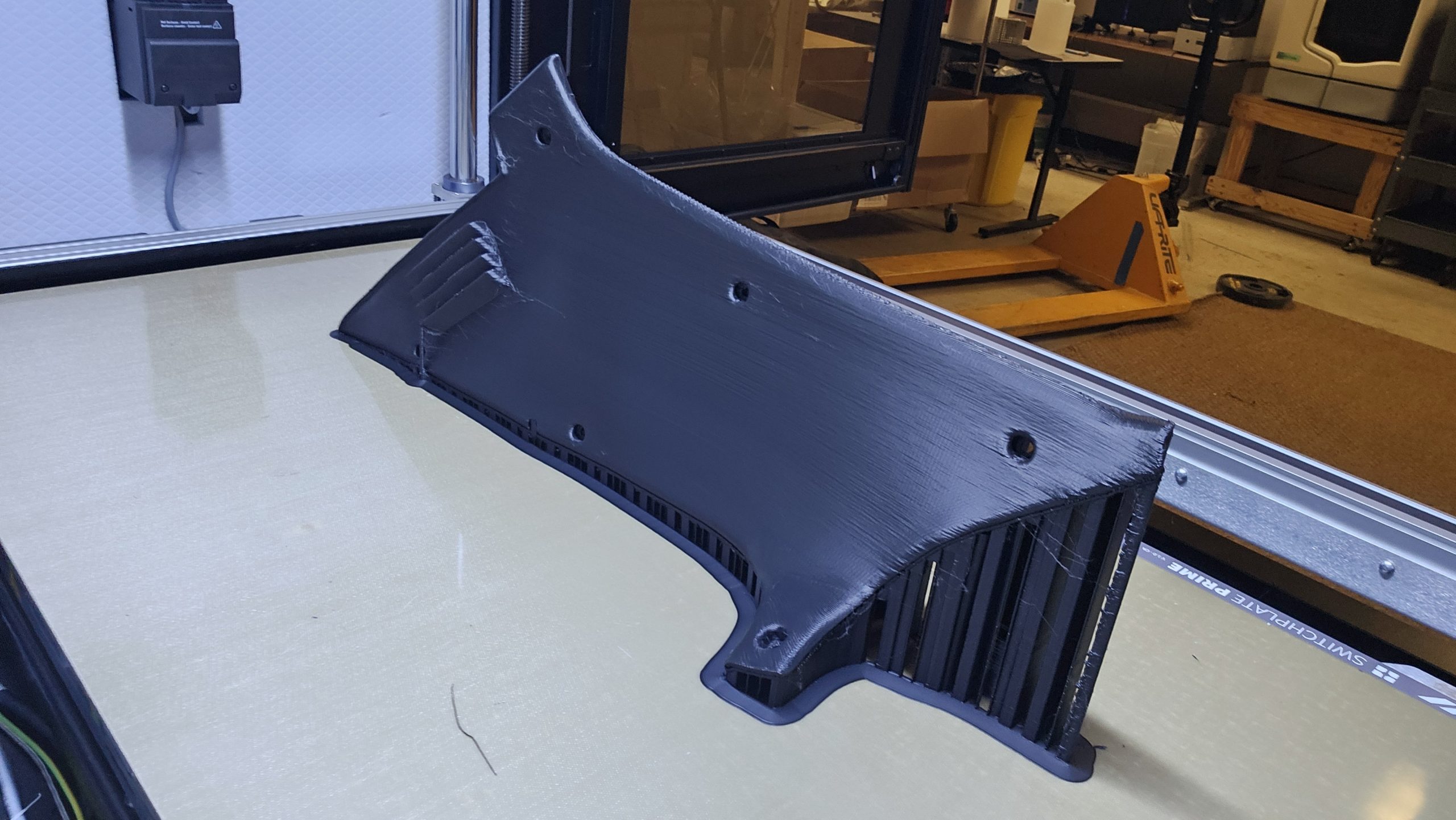
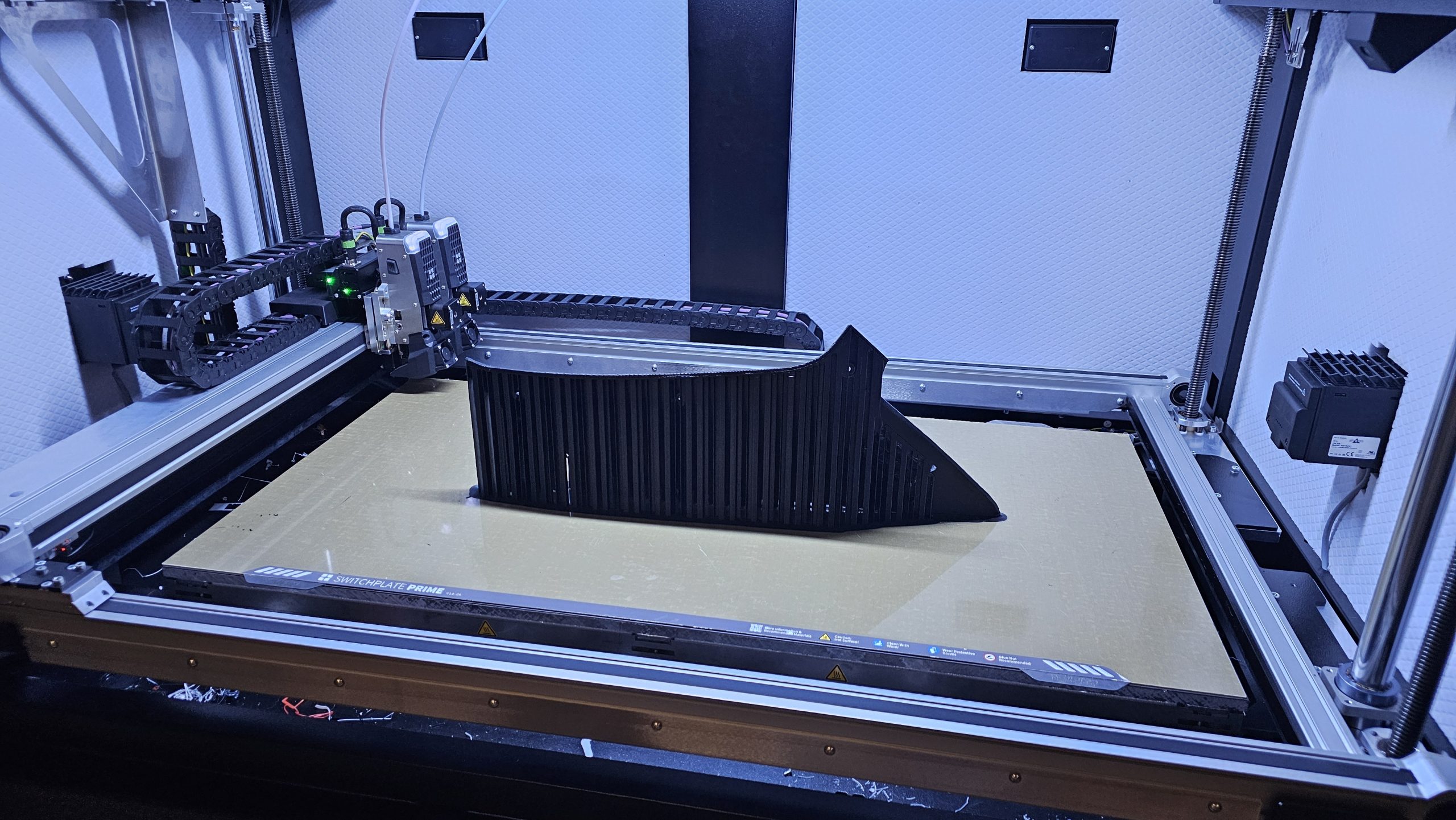
BigRep large format 3D printers help automotive teams produce full-size prototypes, custom housings, and assembly fixtures. Evaluate fit, check component clearance, and refine designs before investing in production tooling.
2. Aerospace and MRO
From component cradles to custom maintenance tools, BigRep systems support aerospace development and ground-based operations. Large build areas accommodate specialized tooling, while material selection helps address each application’s stiffness, weight, and temperature requirements.
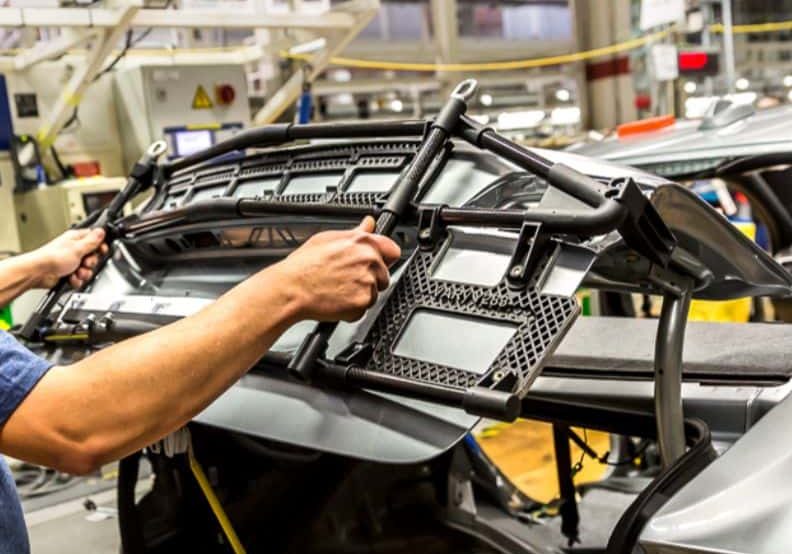
3. Manufacturing and Tooling
Produce custom jigs, positioning fixtures, and production aids closer to the factory floor. BigRep gives manufacturers another option for low-volume tooling and recurring outsourced parts, with systems to evaluate around part size, materials, and production needs.
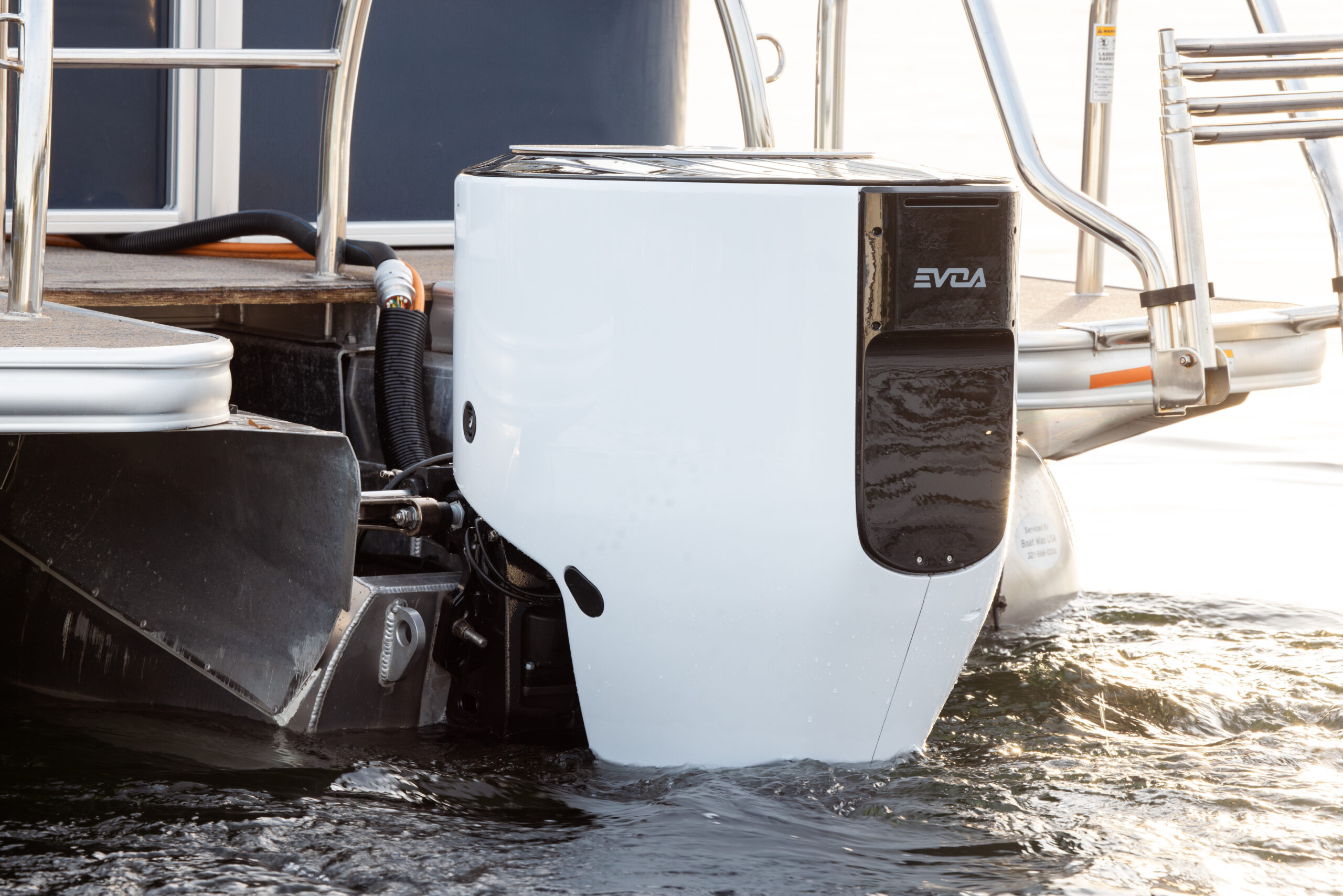
4. Marine
BigRep supports large prototypes, casting patterns, and customized marine components. Builders can evaluate designs at full scale and explore materials suited to the application’s sunlight, moisture, and chemical exposure.

5. Product Development
Bring large designs into the physical world with full-size enclosures, assembly models, and functional prototypes. BigRep helps engineering teams assess installation, accessibility, and fit before committing to final tooling or production.
Find Your BigRep Fit With NeoMetrix Technologies
Which part would make the strongest case for bringing large format 3D printing in-house?
Share its dimensions, intended material, production quantity, and current manufacturing challenge. NeoMetrix will help you evaluate the VIIO 250, ALTRA 670, or ALTRA 280 and define the next step toward an equipment proposal.
Whether you are evaluating a purchase before year-end or preparing next year’s capital budget, start with the application that matters most.
This system fits seamlessly into advanced engineering ecosystems:
- 3D Scanning → Reverse Engineering → Large-Format 3D Printing
- Compatible with slicing platforms like BigRep BLADE
- Validated with inspection tools like Geomagic Control X
This creates a closed-loop digital manufacturing process—driving accuracy, repeatability, and efficiency.
Have a Large-Scale Project in Mind?
Evaluate size, materials, and feasibility—get expert insight instantly.