
Reverse Engineering a Broken Component for Marine Industry with 3D Scanning & CAD
Using the Creaform HandySCAN EVO, Creaform.OS, and Geomagic Design X, the damaged physical part was transformed into a clean, complete 3D CAD model—providing the digital geometry needed to reproduce the component.
When a critical marine component breaks and replacement drawings or CAD files are unavailable, recreating it accurately can become a major challenge. For this project, NeoMetrix Technologies used a complete 3D scanning and reverse engineering workflow to digitally reconstruct a damaged spinnaker pole car used on a sailboat mast.
THE PROBLEM
A spinnaker pole car travels vertically along a track mounted to the front of a sailboat’s mast. It secures the inboard end of the spinnaker pole and allows the crew to quickly adjust the pole’s height for better sail trim and control as wind conditions change.
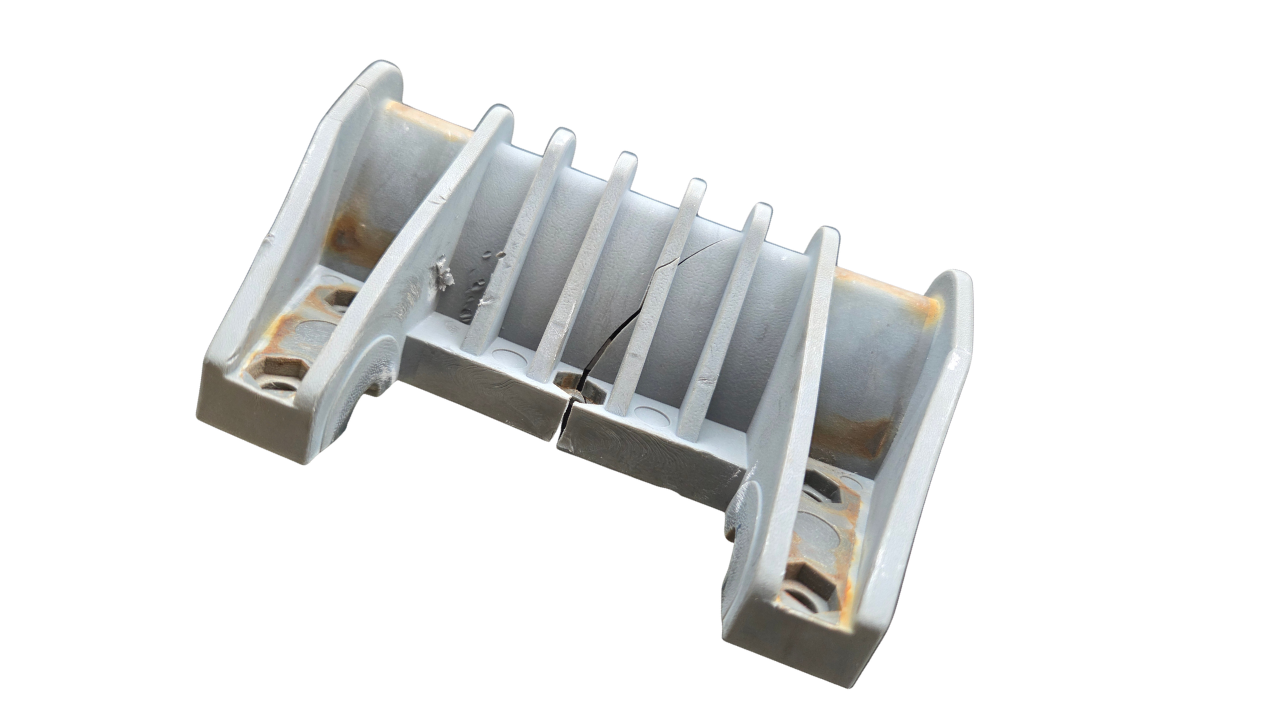
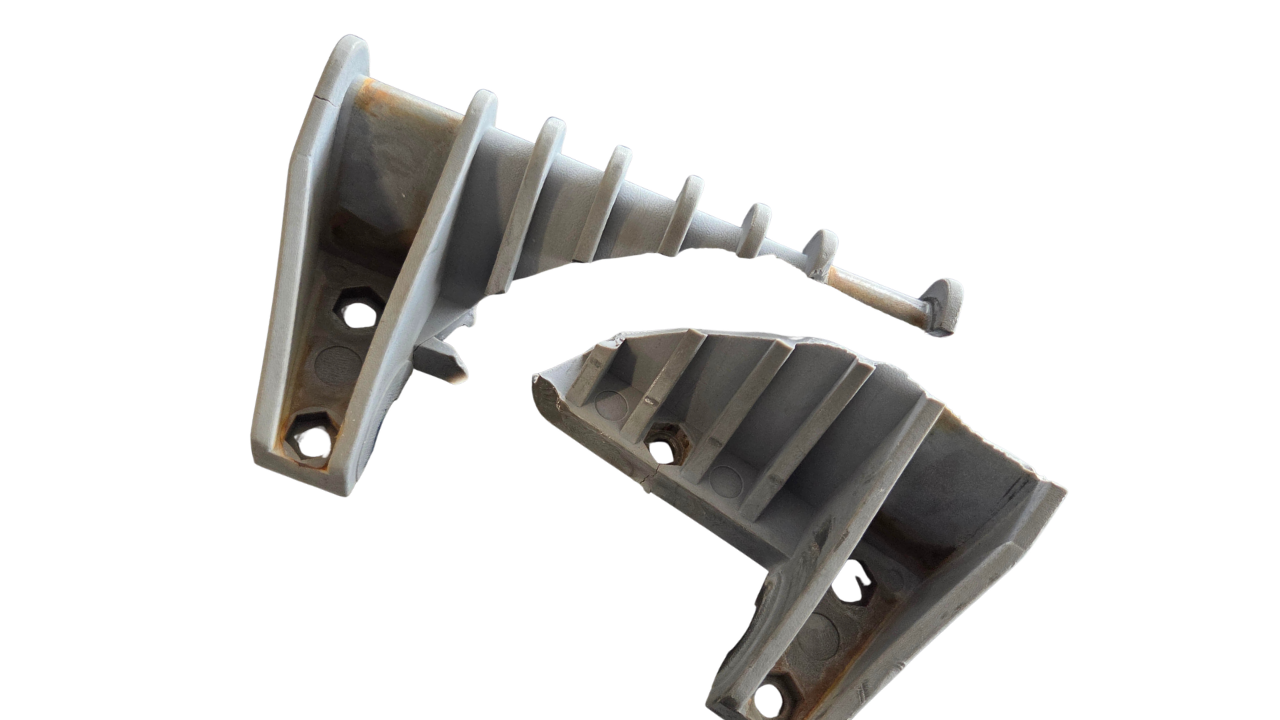
In this case, the existing component had suffered significant physical damage. A large section was broken away, meaning the original part could not simply be measured and duplicated using conventional methods.
The goal was to:
- Capture the remaining geometry accurately
- Preserve critical mounting locations and functional features
- Reconstruct the missing portion of the component
- Create a clean, usable CAD model
- Provide digital geometry suitable for manufacturing a replacement
This is exactly where 3D scanning and reverse engineering become especially valuable.
TRADITIONAL METHOD
NEOMETRIX SOLUTION
Step 1: 3D Scanning with the Creaform HandySCAN EVO
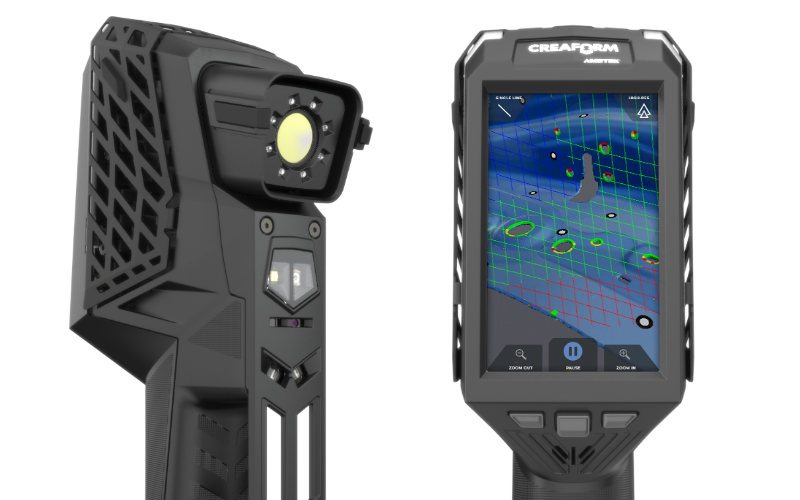
The damaged spinnaker pole car was digitized using a Creaform HandySCAN EVO handheld 3D scanner.
Rather than relying solely on calipers and manual measurements, 3D scanning captures the component's physical geometry as dense digital surface data—including complex curves, ribs, mounting features, transitions, and other details that would be time-consuming to reproduce manually.
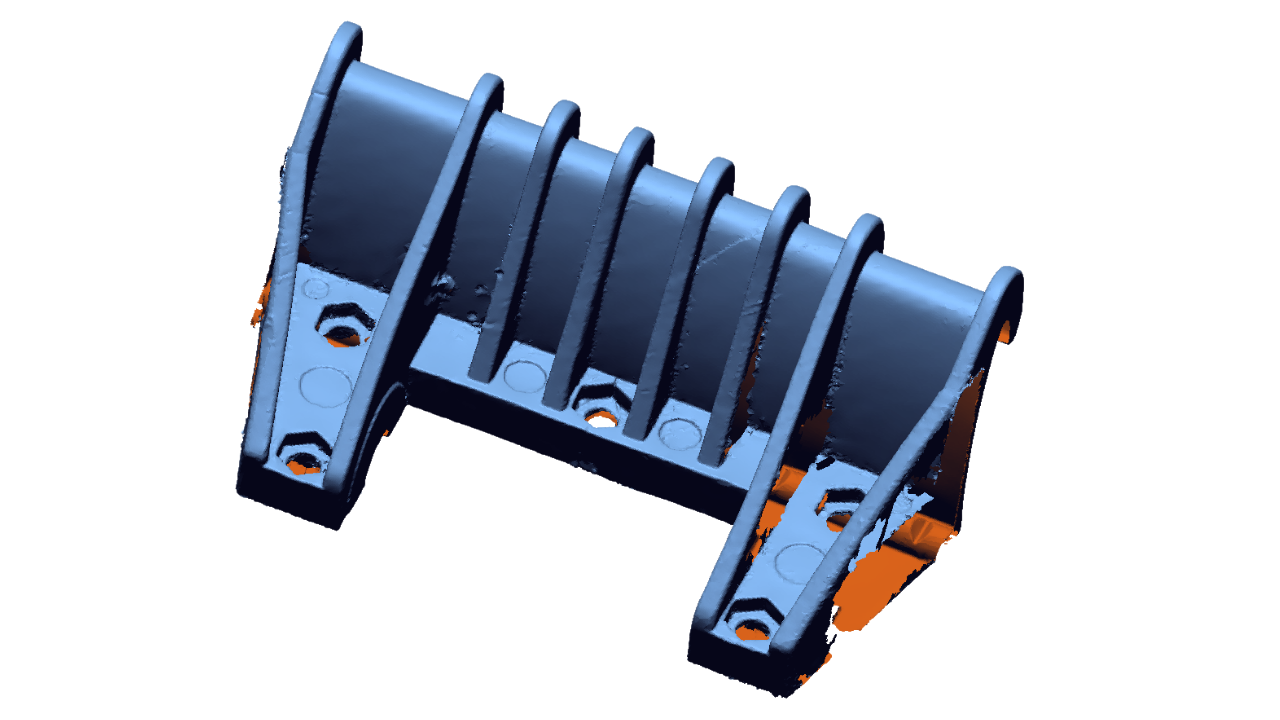
The result was a detailed digital representation of the surviving portion of the original component.
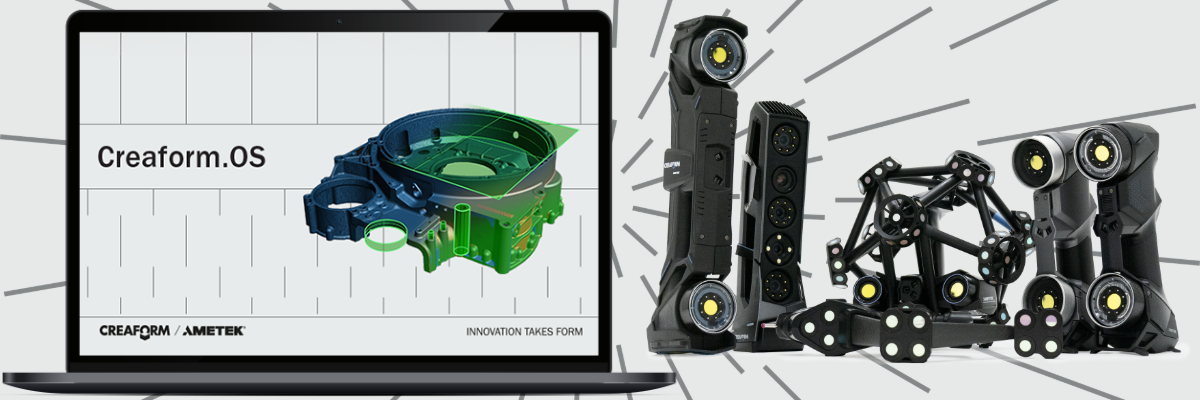
Step 2: Scan Processing with Creaform.OS
The scan data was processed using Creaform.OS, creating the digital foundation for the reverse engineering process.
The scan clearly documented both the intact features and the areas where material had been lost due to the break.
This distinction is important: the objective was not simply to make a 3D copy of the damaged part. The objective was to use the surviving geometry as reference data to determine what the complete component should look like.
Step 3: Reverse Engineering in Geomagic Design X
The captured scan data was then brought into Geomagic Design X, software specifically designed to bridge the gap between 3D scan data and CAD.
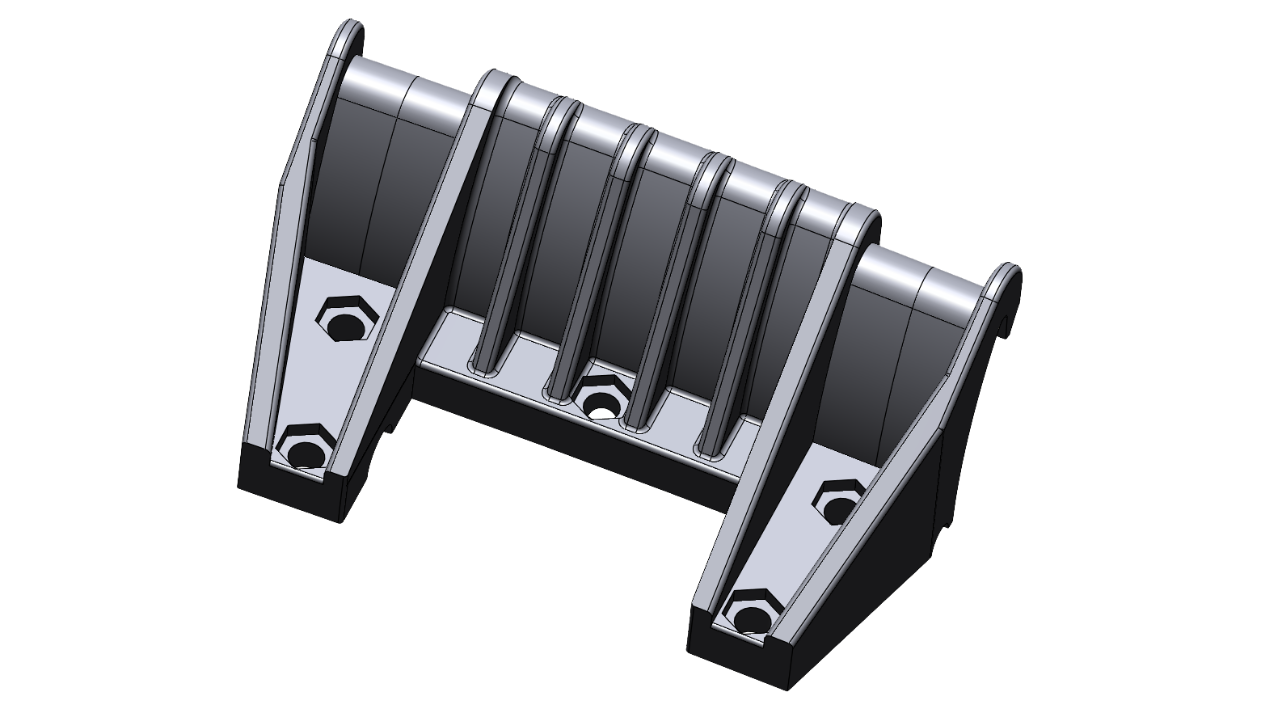
Using the original geometry as a reference, the component was rebuilt as clean CAD geometry. Existing features could be recreated while the broken section was digitally reconstructed based on the design and corresponding geometry of the surviving part.
The finished model restored features such as the:
- Main curved body
- Structural reinforcing ribs
- Mounting surfaces
- Bolt and fastener locations
- Side supports
- Missing portion of the original component
Instead of reproducing the damage, the reverse engineering process produced a complete digital model of the intended part.

NEOMETRIX SOLUTION
This spinnaker pole car is a great example of a problem we see across marine, manufacturing, aerospace, automotive, industrial equipment, and product development applications.
Sometimes the most valuable design information isn't stored in a CAD file—it's sitting in the physical part itself.
With Creaform 3D scanning technology and Geomagic Design X, NeoMetrix can capture that geometry, reconstruct damaged or missing features, and turn physical components into usable digital CAD data.
From Digital Model to Installed Marine Part
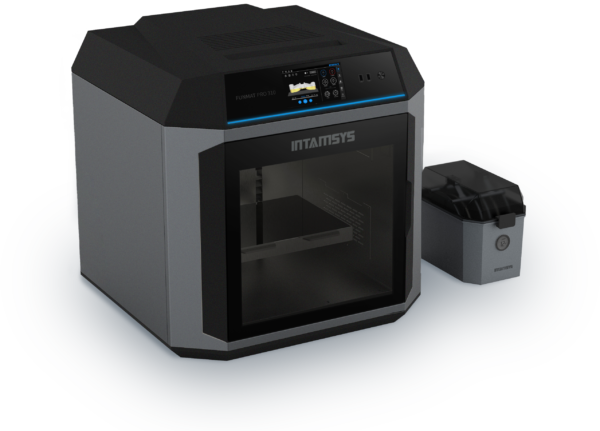
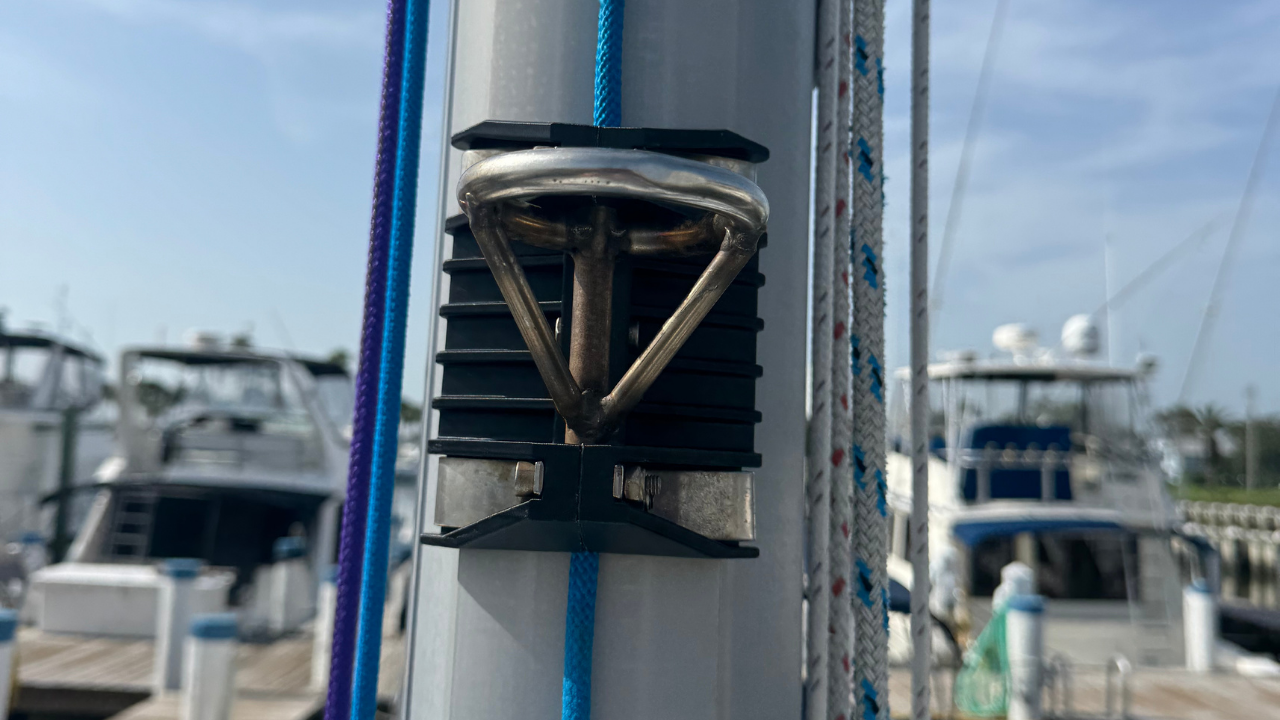
The completed CAD model was manufactured in ASA on the INTAMSYS FUNMAT PRO 310 NEO. With its enclosed, actively heated build chamber and industrial material capabilities, the 310 NEO delivered the dimensional stability and durable finish required for this functional marine component.
The finished spinnaker pole car was successfully installed on the sailboat’s mast—demonstrating a complete workflow from damaged part to 3D scan, engineered CAD, and functional replacement.
For manufacturers producing durable end-use parts, tooling, fixtures, or replacement components, the FUNMAT PRO 310 NEO brings industrial 3D printing in-house with speed, control, and material versatility.
From Broken Part to Manufacturing-Ready CAD
The completed CAD model demonstrates one of the biggest advantages of professional scan-to-CAD reverse engineering: an existing physical component can become the starting point for a new digital manufacturing workflow, even when the original is damaged.
For marine components, legacy equipment, discontinued parts, tooling, machinery, and other hard-to-replace components, this approach can eliminate the need to start the design process from scratch.
Once converted into CAD, the geometry can also be used as the basis for:
- Replacement part manufacturing
- CNC machining
- 3D printing
- Design modifications
- Fit and assembly evaluation
- Future spare-part production
- Digital archiving of legacy components
NEOMETRIX ADVANTAGE
This spinnaker pole car is a great example of a problem we see across marine, manufacturing, aerospace, automotive, industrial equipment, and product development applications.
Sometimes the most valuable design information isn't stored in a CAD file—it's sitting in the physical part itself.
With Creaform 3D scanning technology and Geomagic Design X, NeoMetrix can capture that geometry, reconstruct damaged or missing features, and turn physical components into usable digital CAD data.