
High-Accuracy 3D Scanning for Art Preservation, Digital Archiving, and Future Manufacturing
How NeoMetrix Used Metrology-Grade 3D Scanning to Digitally Preserve a Renaissance-Inspired Clay Sculpture Contact NeoMetrixAutomotive/Motorsports Solutions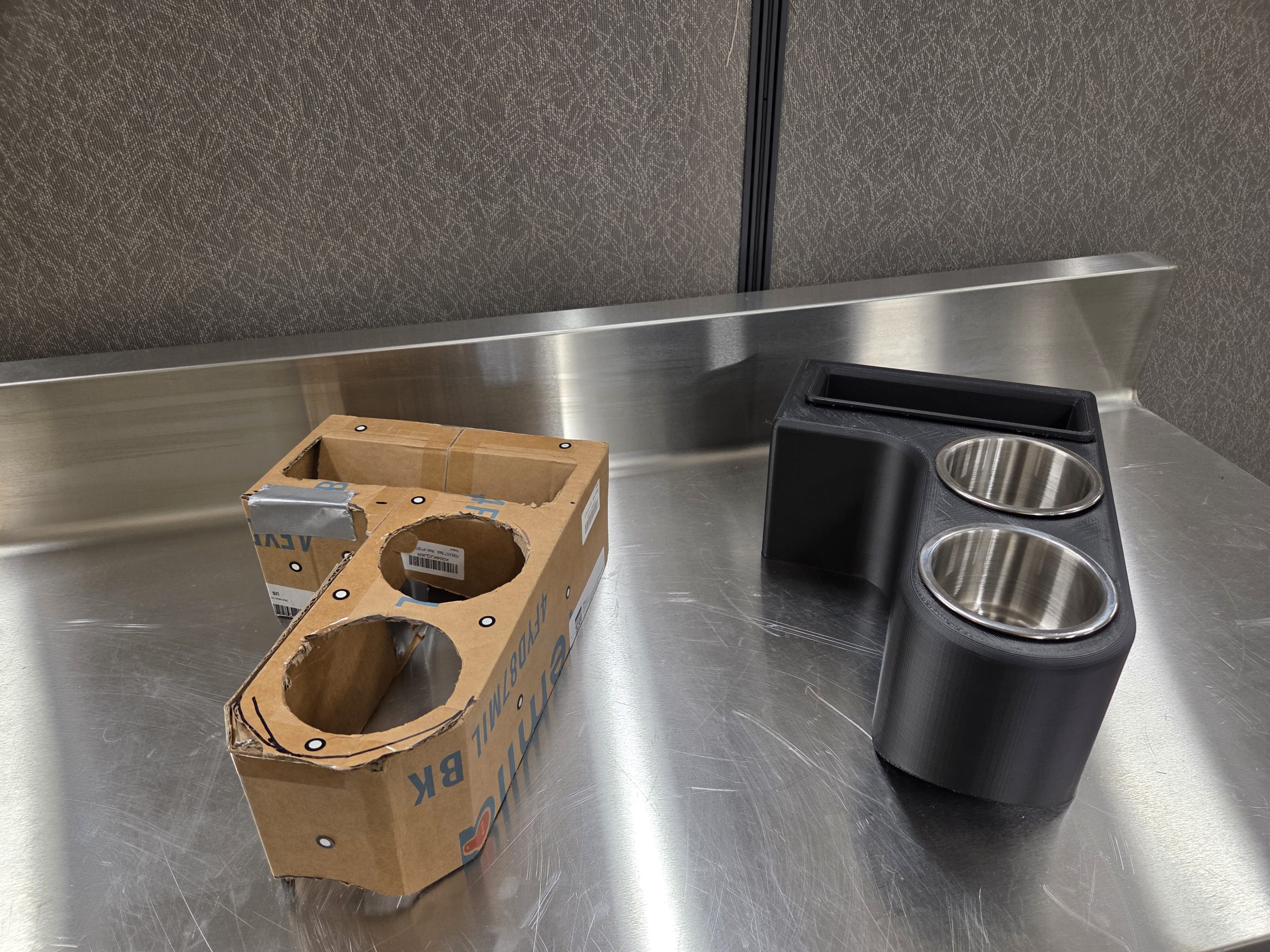
When renowned sculptor Seiku DonMoyer sought to preserve a handcrafted clay sculpture for future generations, she needed more than photographs and measurements. She required a highly accurate digital twin capable of capturing every contour, facial expression, and artistic detail before the piece was fired.
NeoMetrix utilized the Creaform MetraSCAN BLACK+ Elite to create a high-resolution 3D scan of the sculpture, delivering a complete digital archive suitable for art preservation, digital documentation, reverse engineering, reproduction, and future manufacturing applications.
Artists, museums, collectors, and manufacturers often face a common challenge:
How do you preserve a one-of-a-kind sculpture with complete dimensional accuracy while maintaining every artistic detail?
Traditional documentation methods such as photography and manual measurements capture appearance but fail to capture true geometry. For complex organic shapes, subtle facial features, and intricate hand-crafted details, critical information can be lost.
The sculpture needed to be digitally preserved before firing while maintaining:
The sculpture needed to be digitally preserved before firing while maintaining:
- Fine facial features
- Hand details
- Organic surface transitions
- Artistic proportions
- Complete dimensional integrity
The client also wanted a digital asset that could support future uses including:
- Digital archiving
- Documentary production
- Reverse engineering
- 3D printing
- Sculpture reproduction
- Manufacturing and mass production
TRADITIONAL METHOD
Historically, artwork preservation relies on:
- Photography
- Video documentation
- Hand measurements
- Physical molds
- Manual CAD modeling
While useful for visual records, these methods present limitations when accurate 3D geometry is required.
Challenges include:
- Incomplete dimensional data
- Time-consuming workflows
- Difficulty capturing organic surfaces
- Risk of damaging delicate artwork during molding
- Limited ability to reproduce exact geometry
For sculptures inspired by Renaissance aesthetics and idealized human form, preserving subtle details is critical to maintaining artistic integrity.
NEOMETRIX SOLUTION
NeoMetrix implemented a high-resolution 3D scanning workflow using the MetraSCAN BLACK+ Elite, one of the industry's most advanced portable metrology-grade 3D scanners.
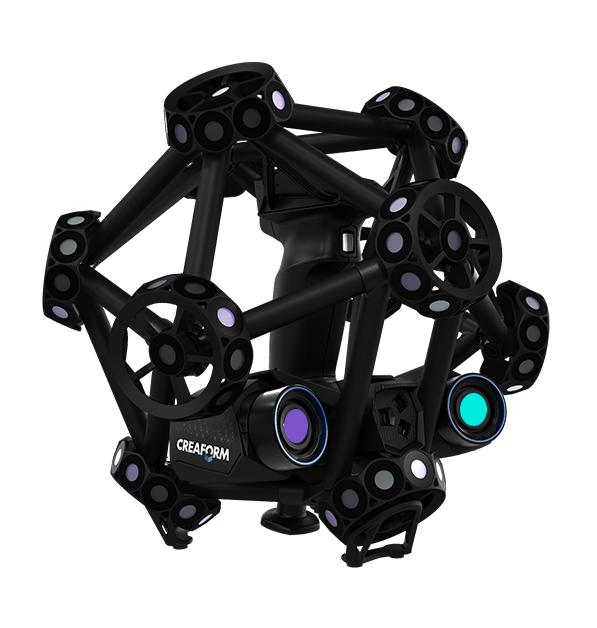
Scanner: MetraSCAN BLACK+ Elite
Accuracy: 0.025 mm
General Resolution: 0.5 mm
Enhanced Detail Resolution: 0.2 mm
Scan Sessions: 2
Final Deliverable: Complete merged and aligned 3D model
Step 1: High-Accuracy 3D Scanning
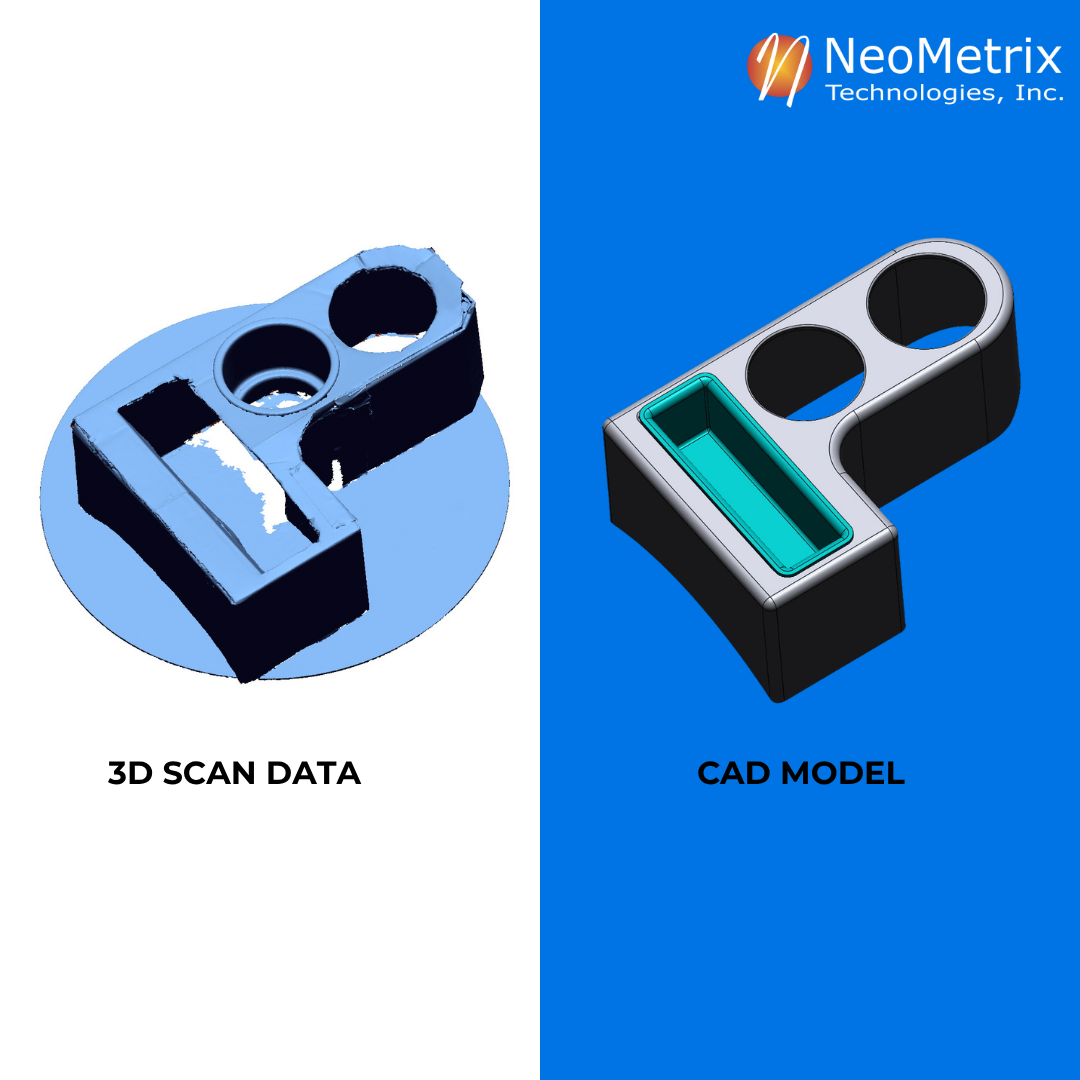
The sculpture was digitized using laser-based 3D scanning technology to capture the complete geometry of the piece.
Unlike traditional documentation methods, the scanning process captured millions of measurement points across the sculpture's surface, creating an accurate digital representation of the original artwork.
Step 2: Enhanced Detail Capture
To preserve critical artistic features, NeoMetrix increased scanning resolution to 0.2 mm in key areas including:
- Facial expressions
- Hands and fingers
- Surface transitions
- Fine sculptural details
This higher-density scan data ensured that subtle artistic elements remained intact within the final digital model.
Step 4: Digital Preservation and Manufacturing Readiness
Two separate scan sessions were captured and composited together using advanced scan processing workflows.
This approach ensured complete coverage of the sculpture while maintaining dimensional accuracy throughout the model.
Step 3: Digital Preservation and Manufacturing Readiness
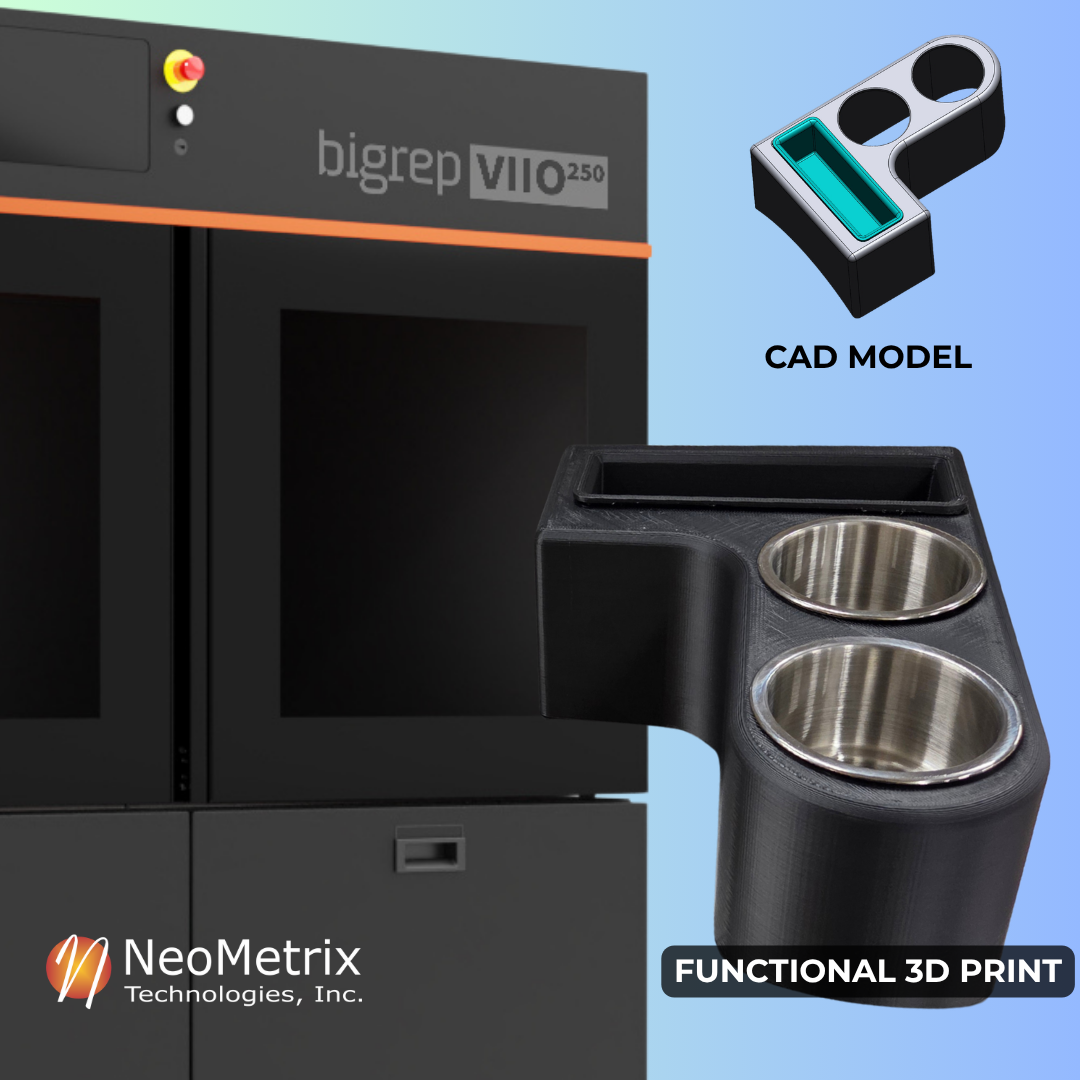
The final high-resolution mesh provides a permanent digital archive that can be utilized for:
- Digital preservation
- Reverse engineering services
- 3D printing services
- CNC machining
- Mold creation
- Manufacturing workflows
- Museum documentation
- Documentary production
NEOMETRIX ADVANTAGE
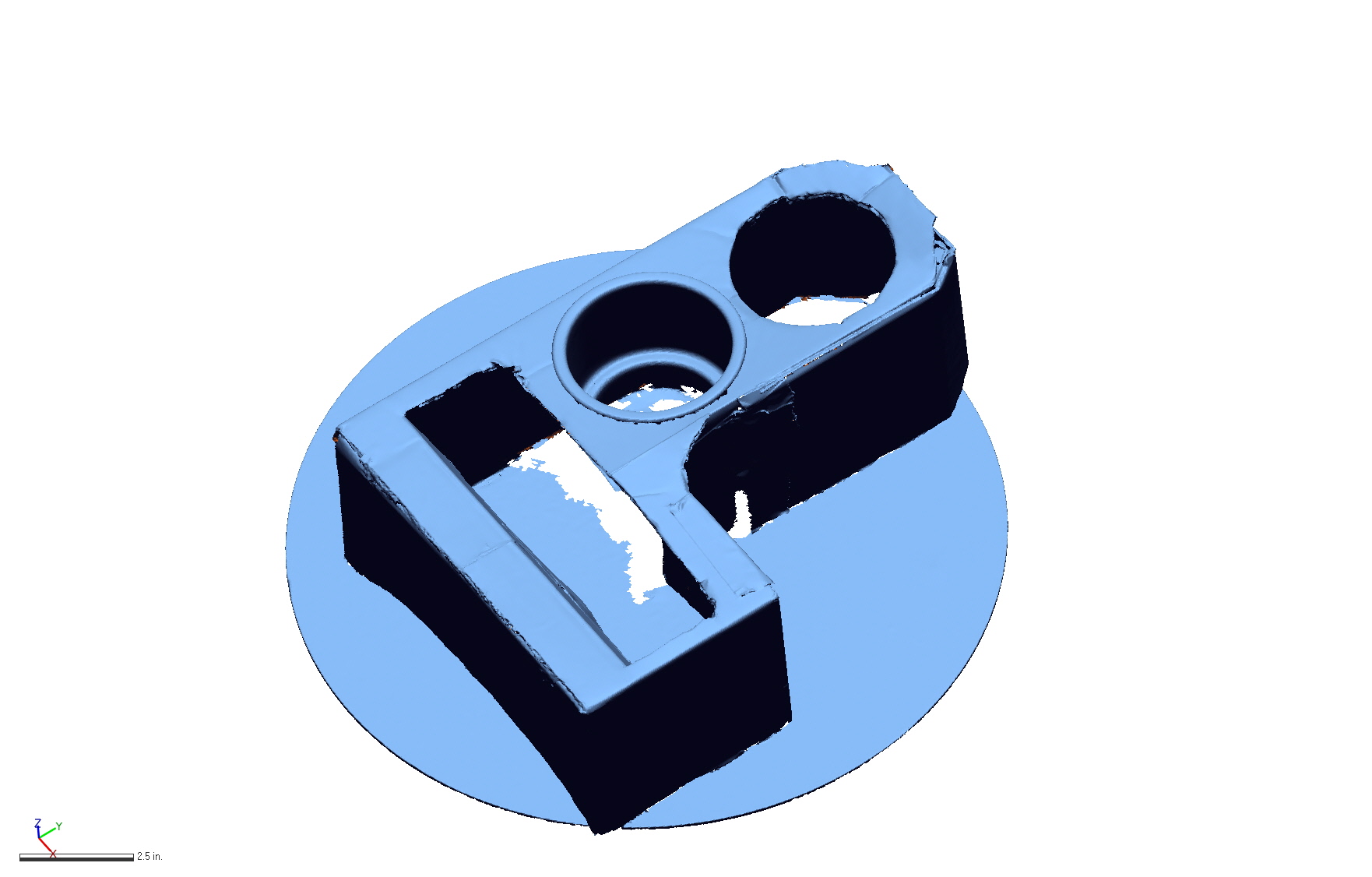
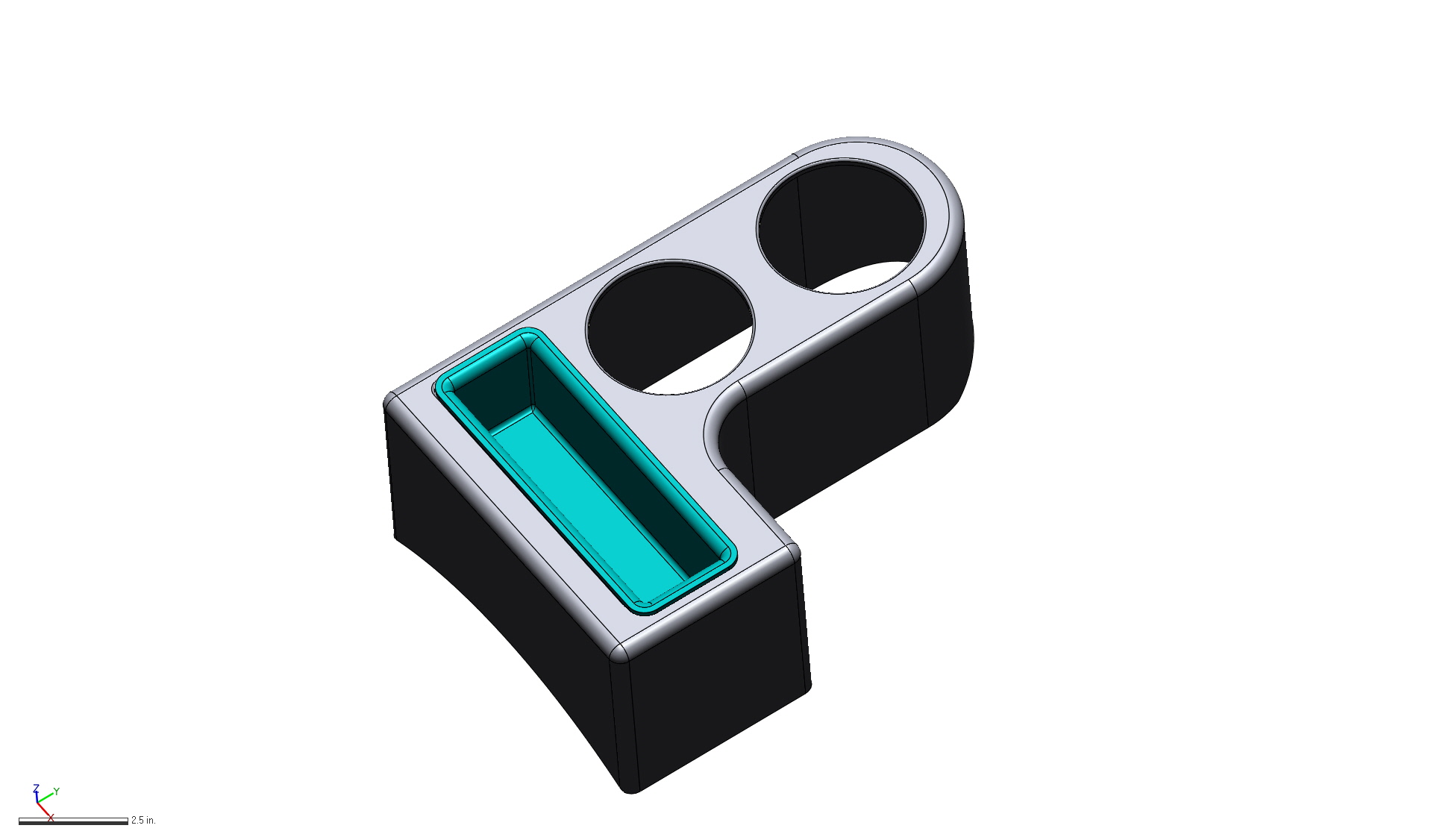
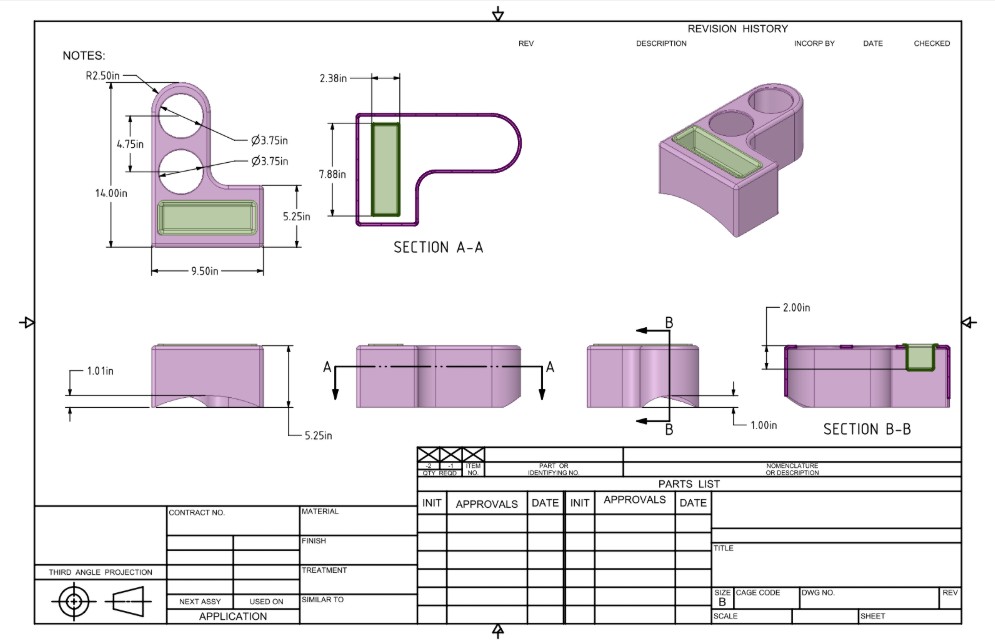
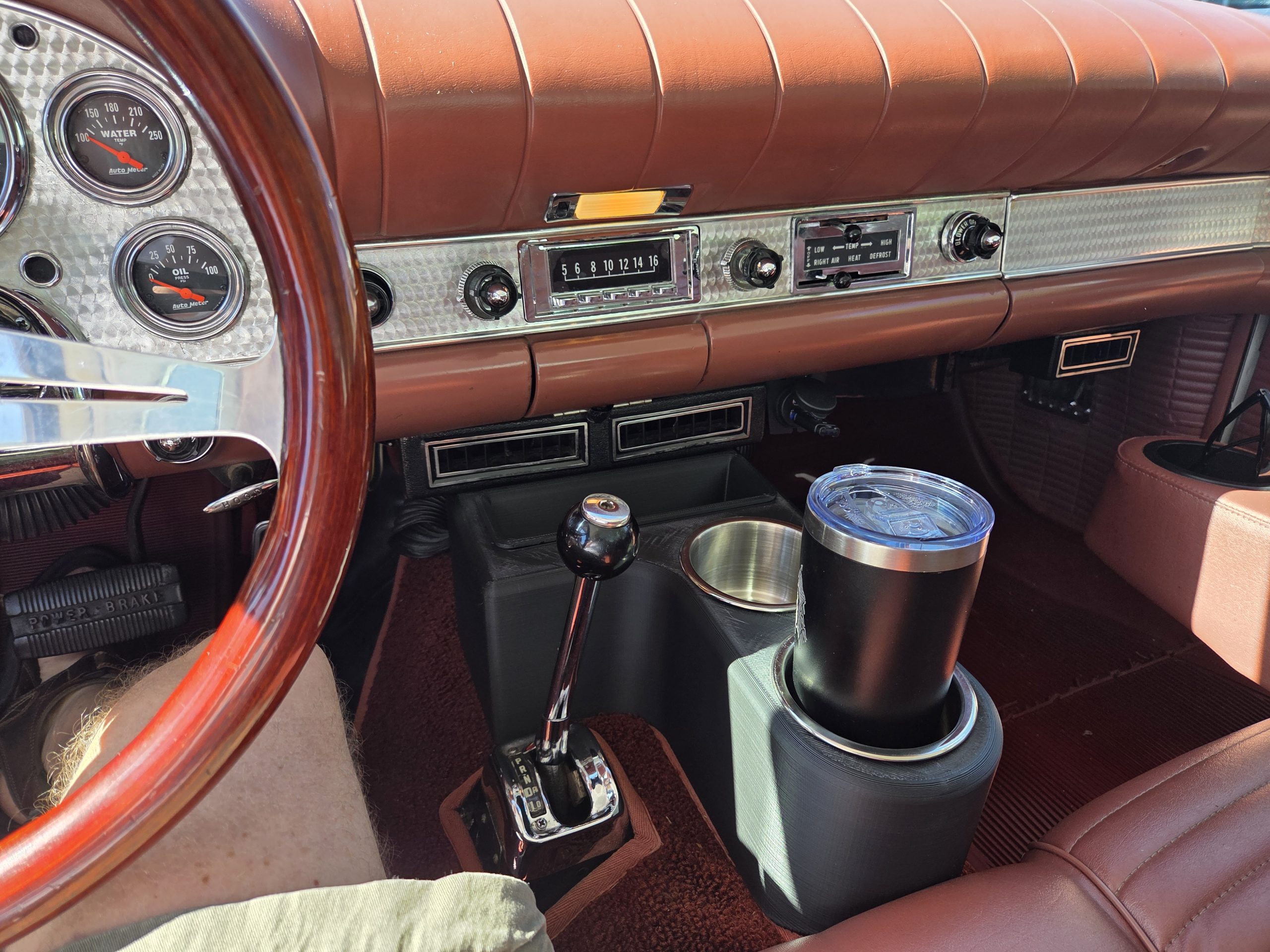
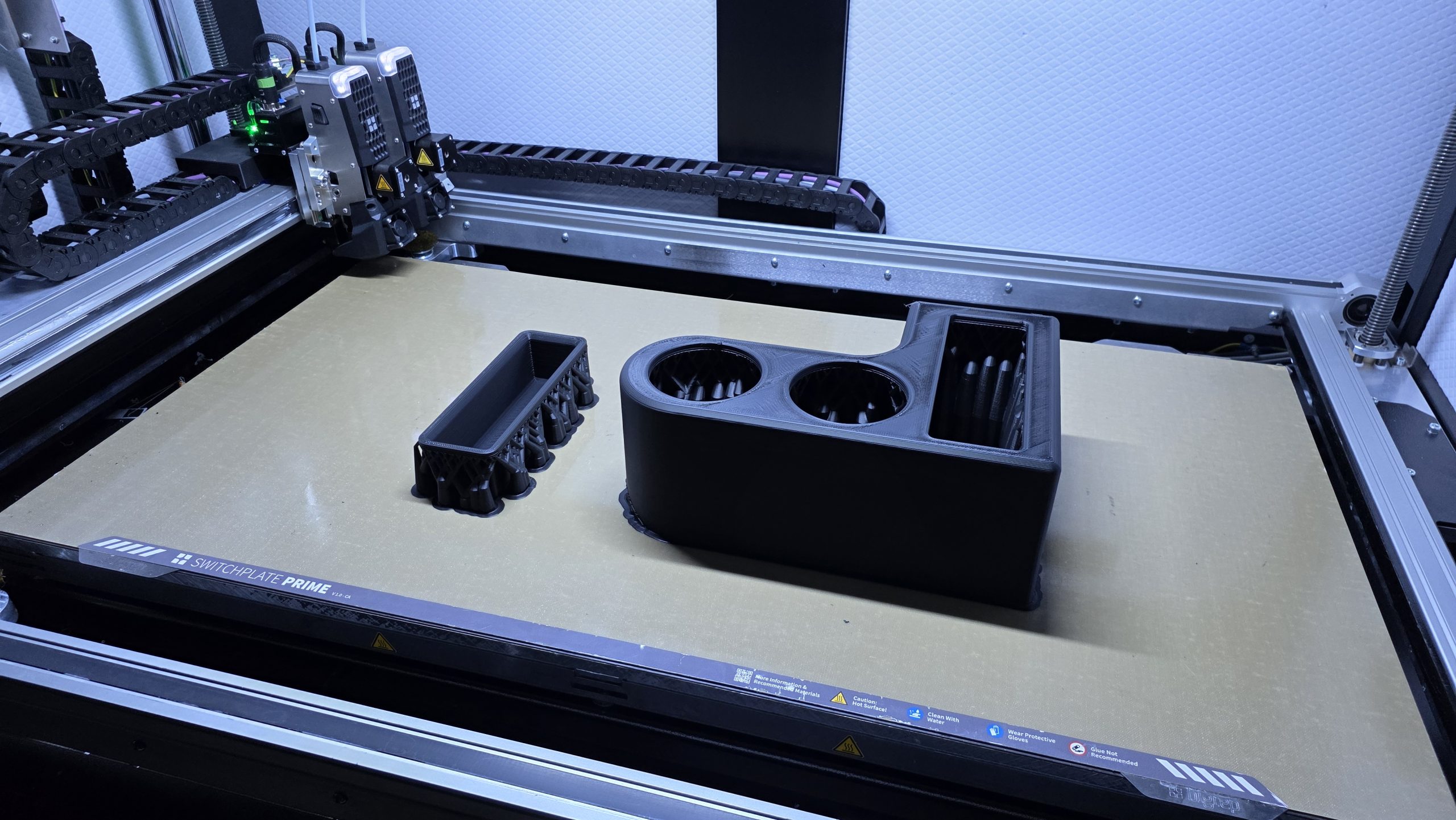
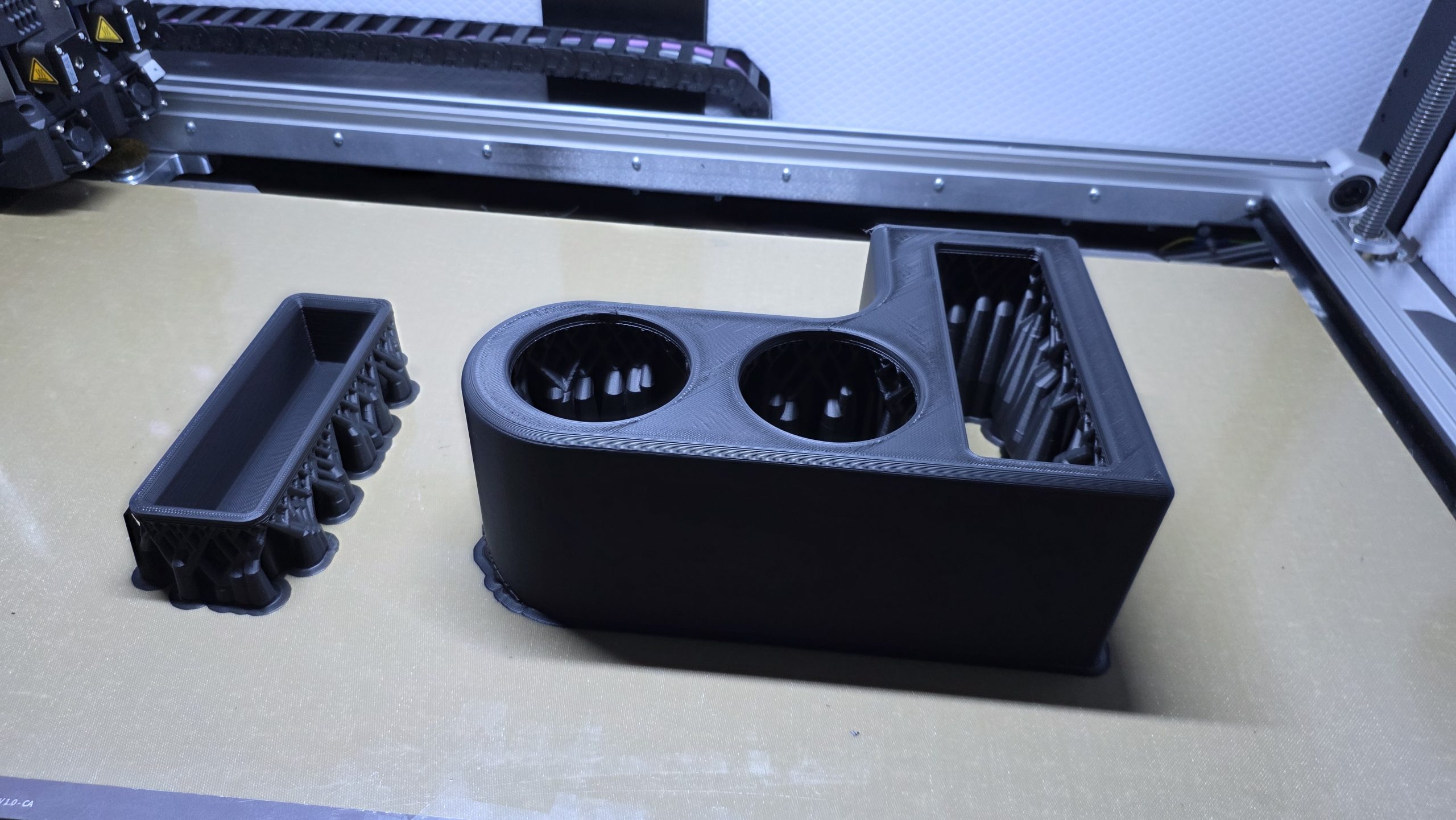
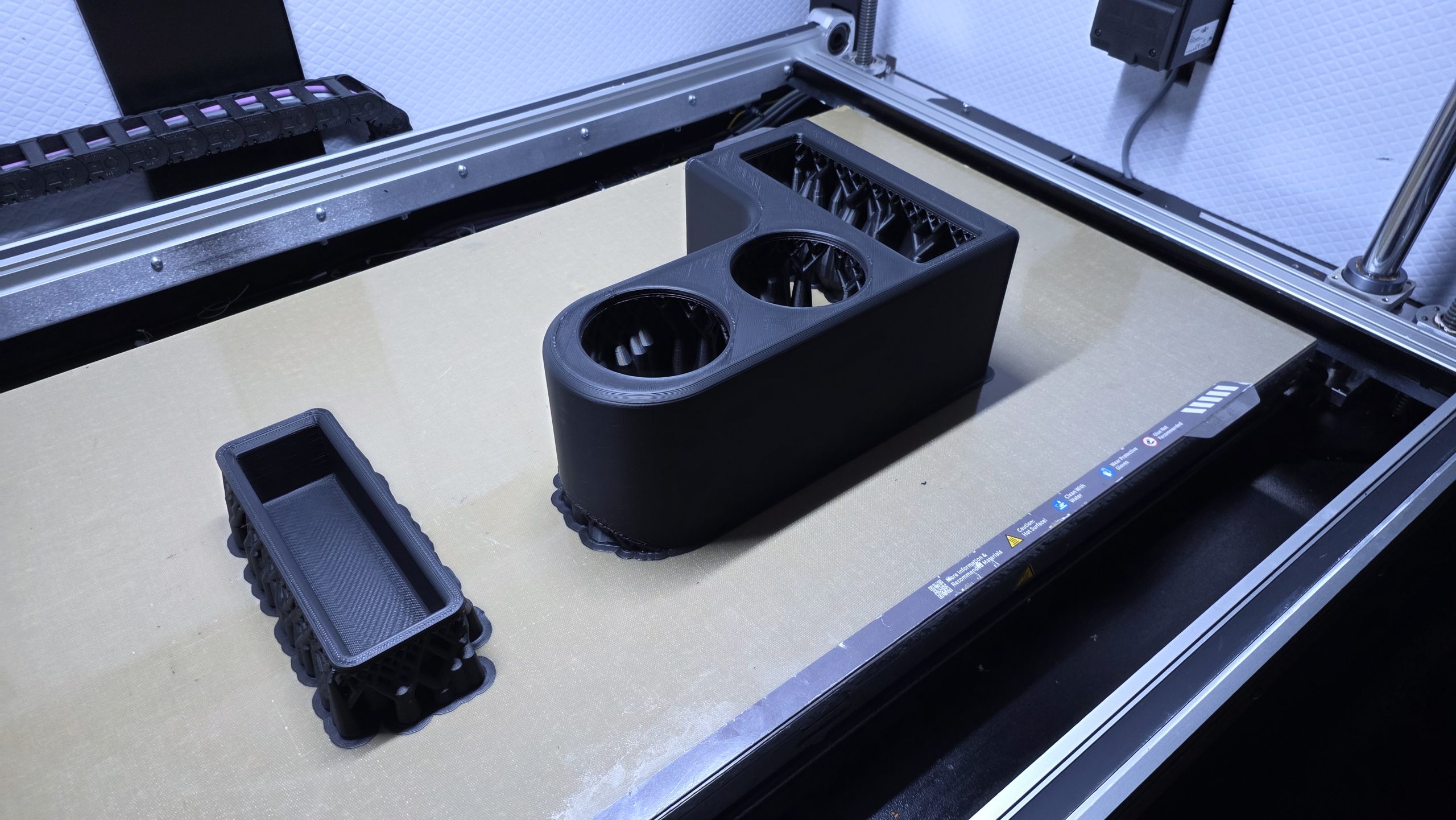
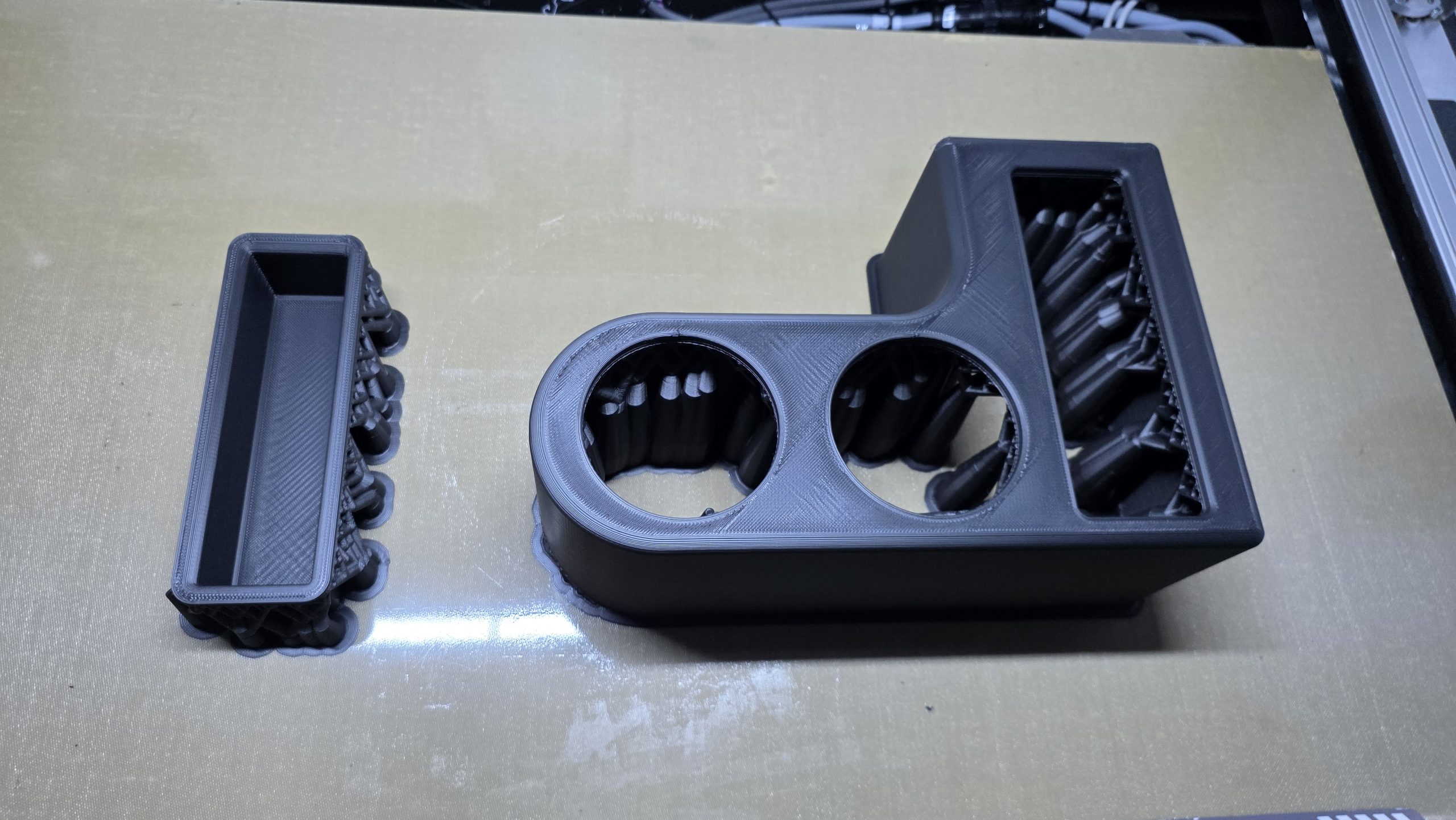
The restored cupholder:
- Fit seamlessly into the Thunderbird’s interior
- Matched original design intent
- Provided a durable, functional replacement
What was once an obsolete, unavailable part is now fully reproducible.
- Exact-fit replacement part with no OEM dependency
- Rapid turnaround vs traditional fabrication
- Digitally stored CAD for future reproduction
- Scalable solution for additional componen

Our services and solutions are proudly rated 5-stars on Google by our customers and users!