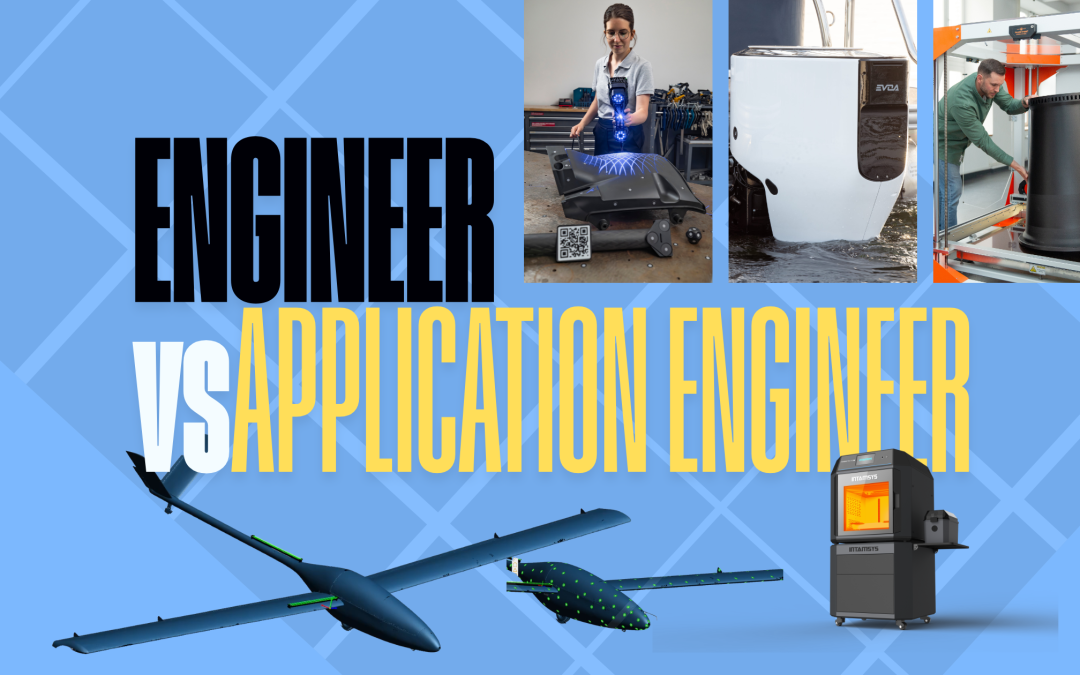
Engineering is at the core of innovation. Whether designing a new product, improving an existing one, or validating a critical component, engineers play a central role in bringing ideas to life. However, not all engineering roles are structured the same way. One of the most important distinctions in modern manufacturing environments is the difference between a traditional engineer and an application engineer.
At NeoMetrix, application engineers serve as technical partners to organizations across many industries—helping teams apply advanced technologies like 3D scanning, reverse engineering, digital inspection, and additive manufacturing to solve real-world challenges.
Understanding this difference can highlight how engineering expertise is evolving alongside digital manufacturing tools.
What Does a Traditional Engineer Do?
Most engineers working inside companies are focused on a specific product line, technology, or industry sector. Their primary goal is to design, refine, and improve the products their company produces.
These engineers develop deep expertise within their environment. A mechanical engineer at an aerospace company may concentrate on turbine components, while an engineer at an automotive manufacturer may focus on chassis structures or drivetrain systems.
Typical responsibilities include:
-
Designing and optimizing mechanical or electrical components
-
Improving manufacturing methods for existing products
-
Ensuring compliance with industry standards and regulations
-
Supporting internal product development initiatives
-
Analyzing performance and reliability of systems
This level of specialization allows engineers to become extremely knowledgeable within a specific field, which is critical for producing reliable and high-performing products.
What Is an Application Engineer?
An application engineer operates in a broader technical capacity. Rather than working on a single product or industry, application engineers collaborate with many organizations to apply advanced technologies to a wide range of engineering challenges.
At NeoMetrix, application engineers support companies across industries including:
- Firearm
-
Consumer products
-
Entertainment and themed environments
- Art & Sculpture + more
This exposure allows NeoMetrix engineers to develop expertise in how modern engineering tools can be applied across many different design and manufacturing scenarios.
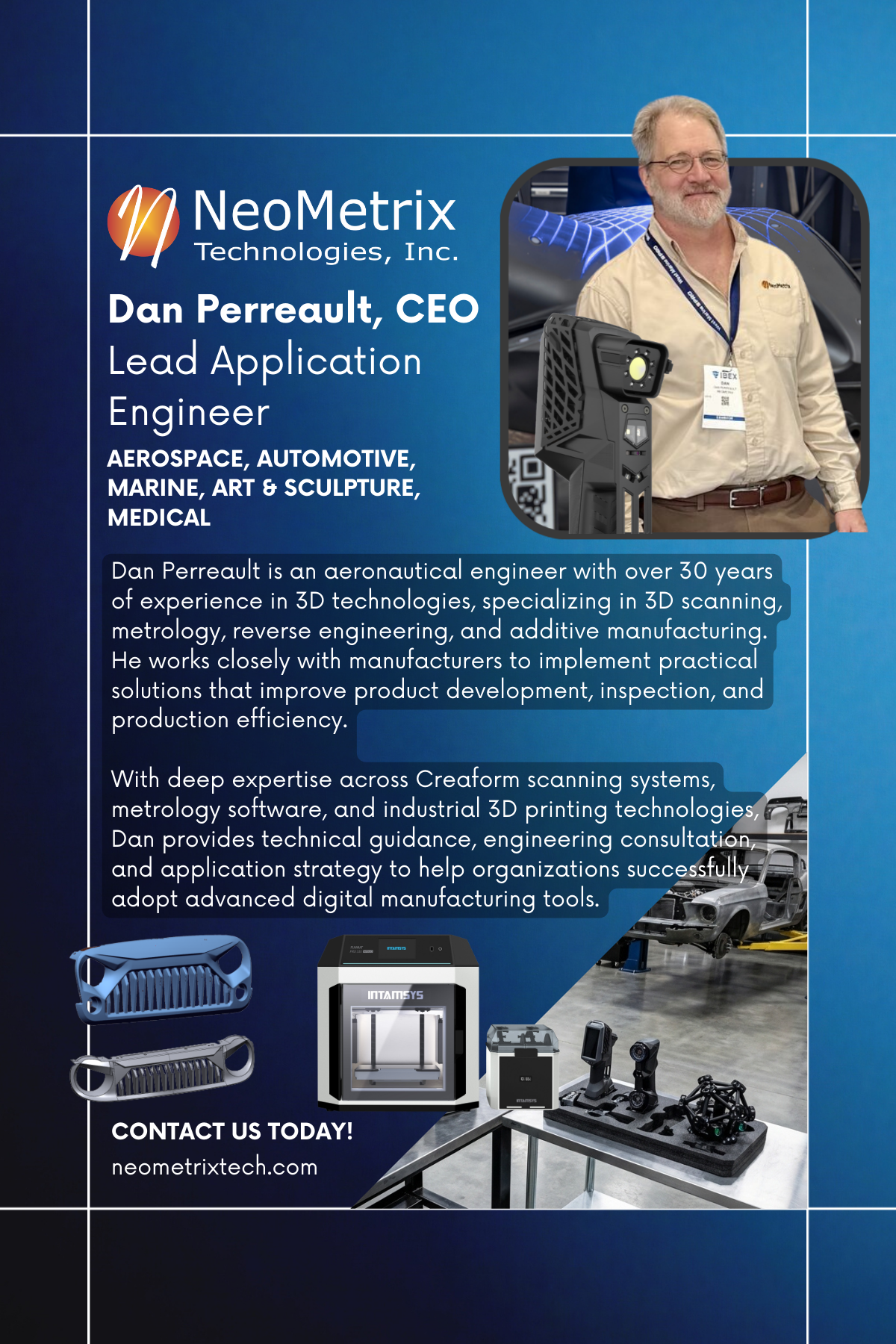
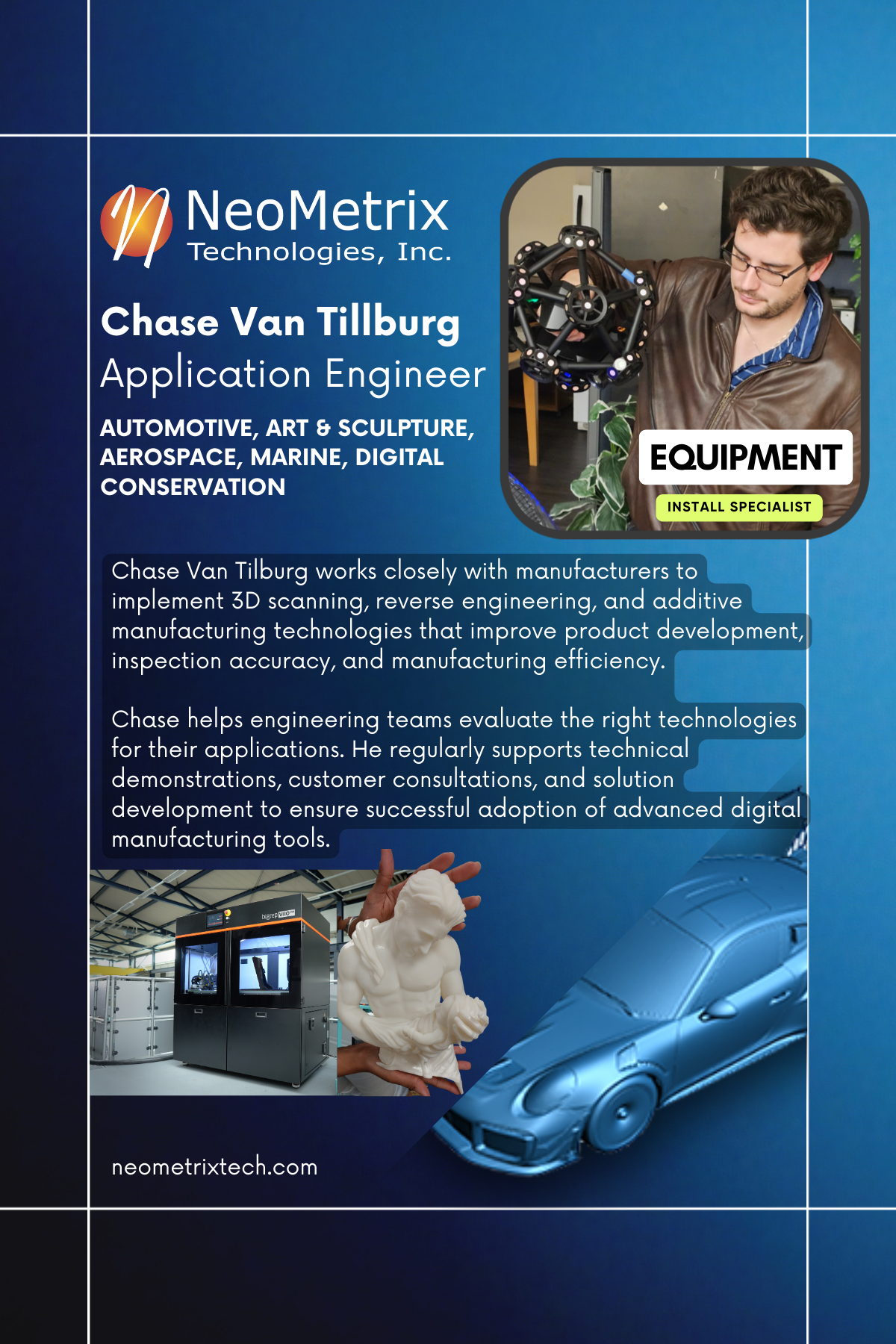
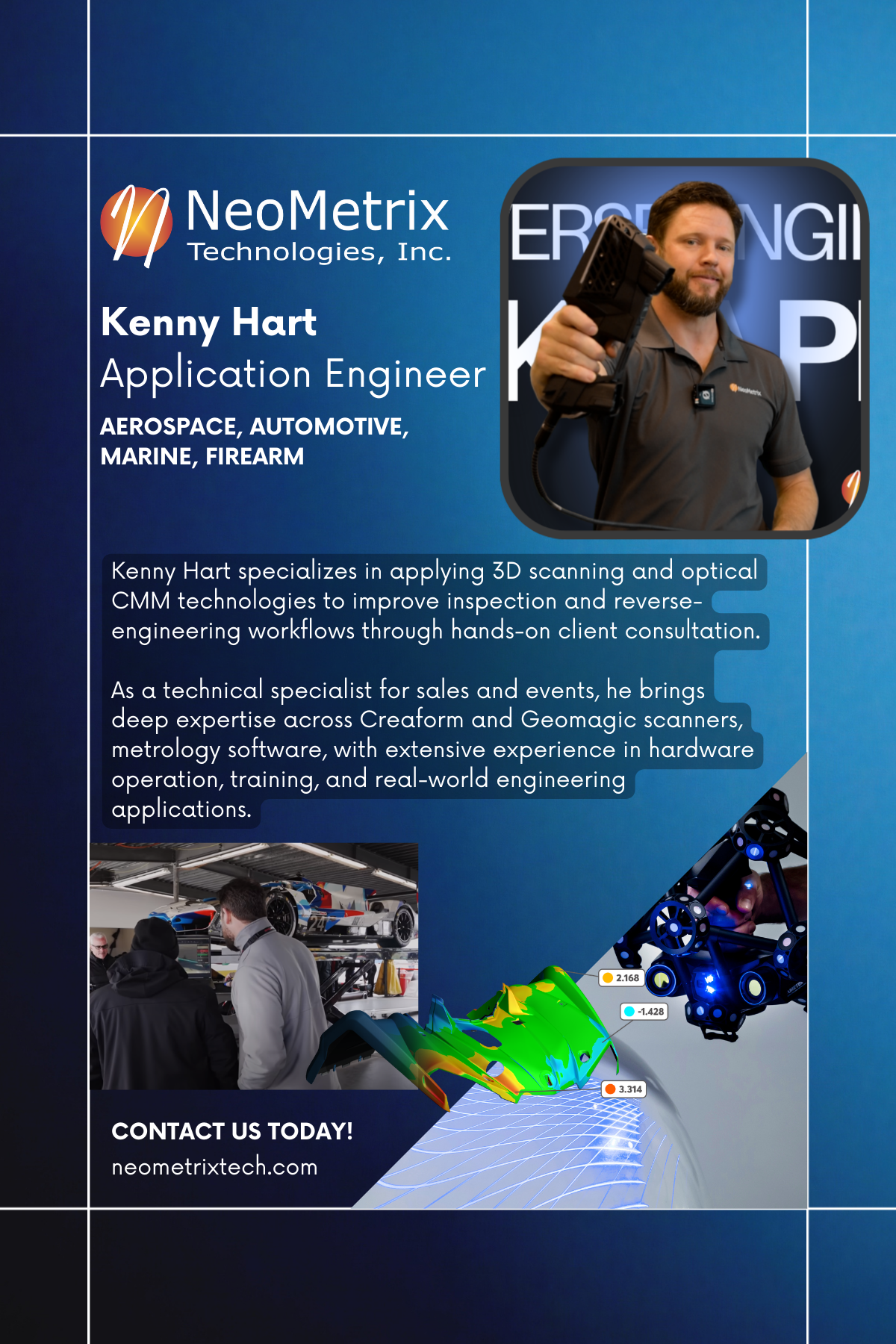
MEET OUR APPLICATION ENGINEERS
Questions? – Let’s talk solutions!
(888)696-7226
Applying Advanced Technologies to Engineering Challenges
NeoMetrix application engineers specialize in helping organizations utilize technologies that bridge the physical and digital worlds of engineering.
These technologies include:
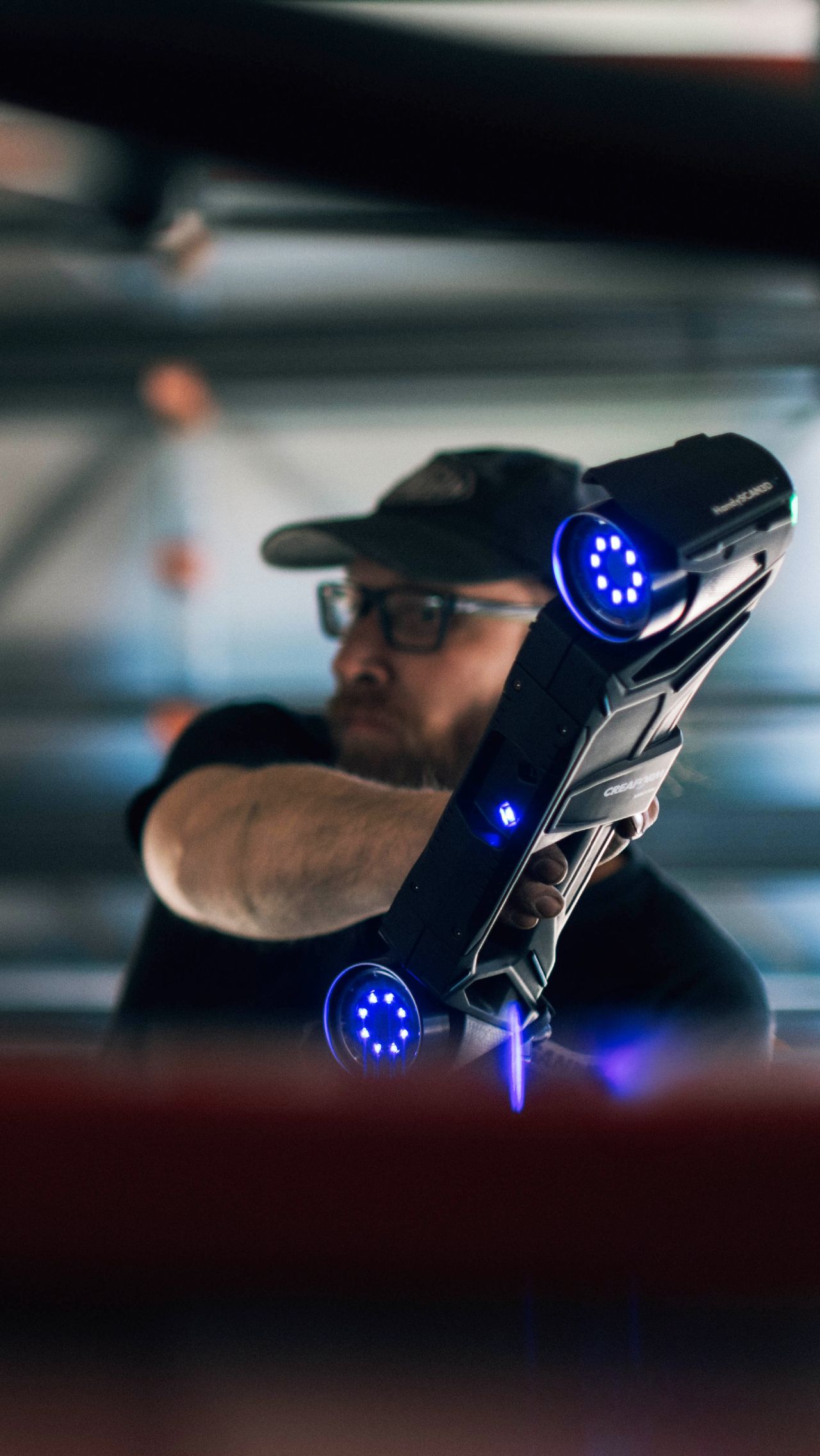
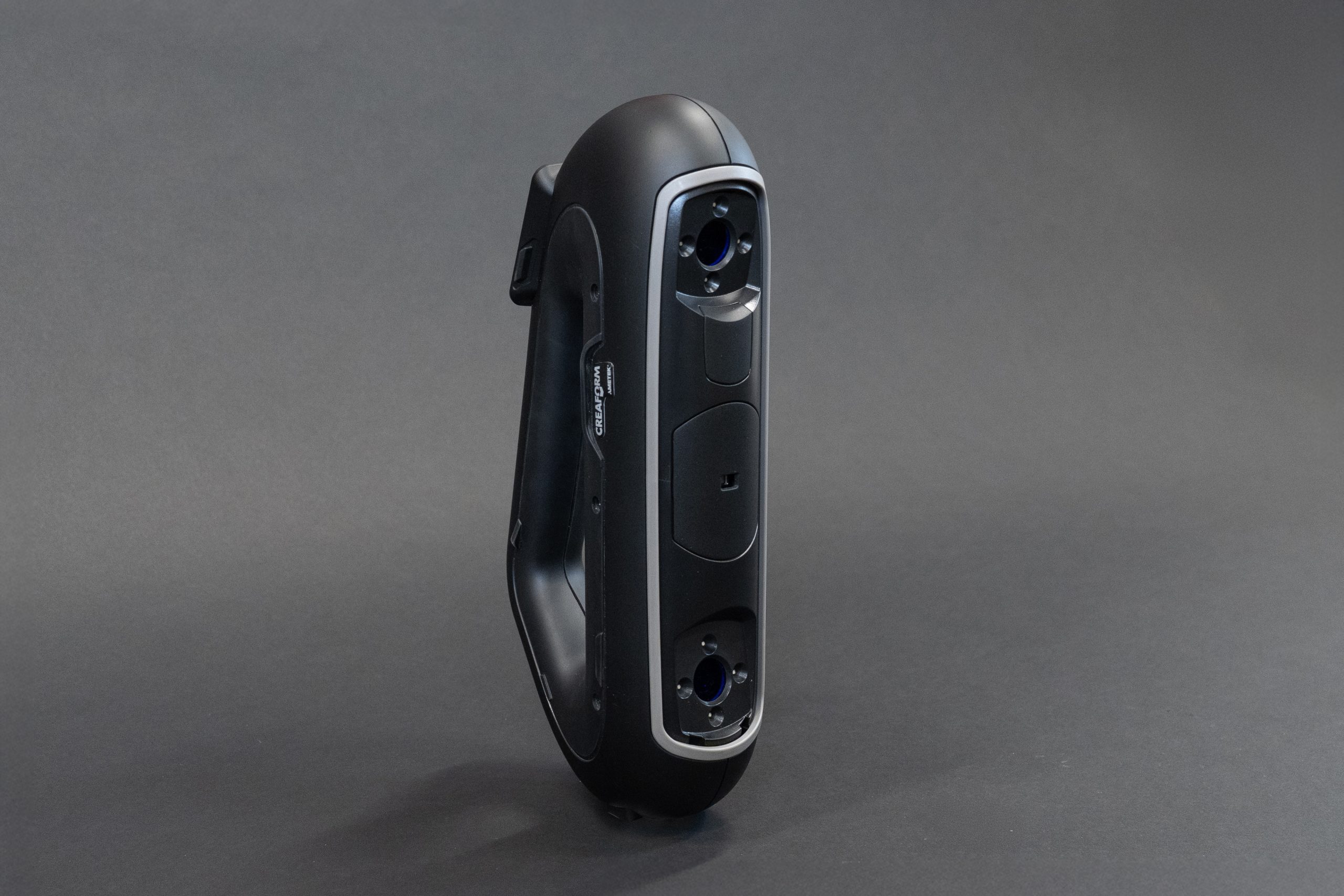
3D Scanning
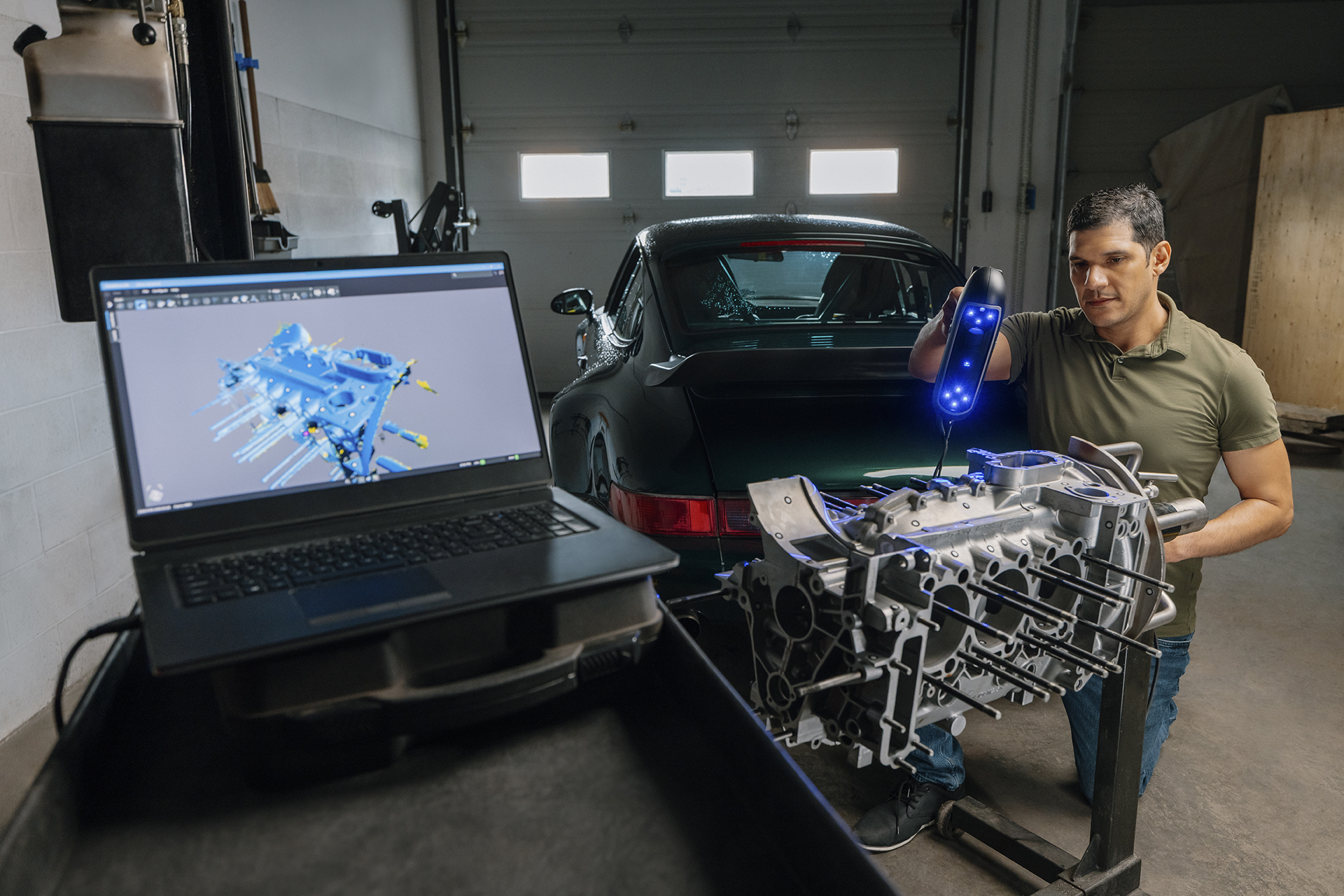
High-resolution 3D scanners capture millions of measurement points across a part’s surface to generate highly accurate digital representations. Engineers can use this data for:
-
Digitizing existing components
-
Creating accurate reference models
-
Capturing complex geometries
-
Comparing manufactured parts against CAD designs
3D scanning significantly reduces the time required to capture part geometry compared to manual measurement methods.
Reverse Engineering
Reverse engineering converts scanned data into editable CAD models, allowing engineers to recreate parts when design files are unavailable or incomplete.
This capability is valuable for:
-
Legacy equipment documentation
-
Product redesign and improvement
-
Manufacturing replacement components
-
Updating older designs with modern materials or production techniques
Reverse engineering enables organizations to move quickly from physical components to fully functional digital models.
Advanced 3D Printing
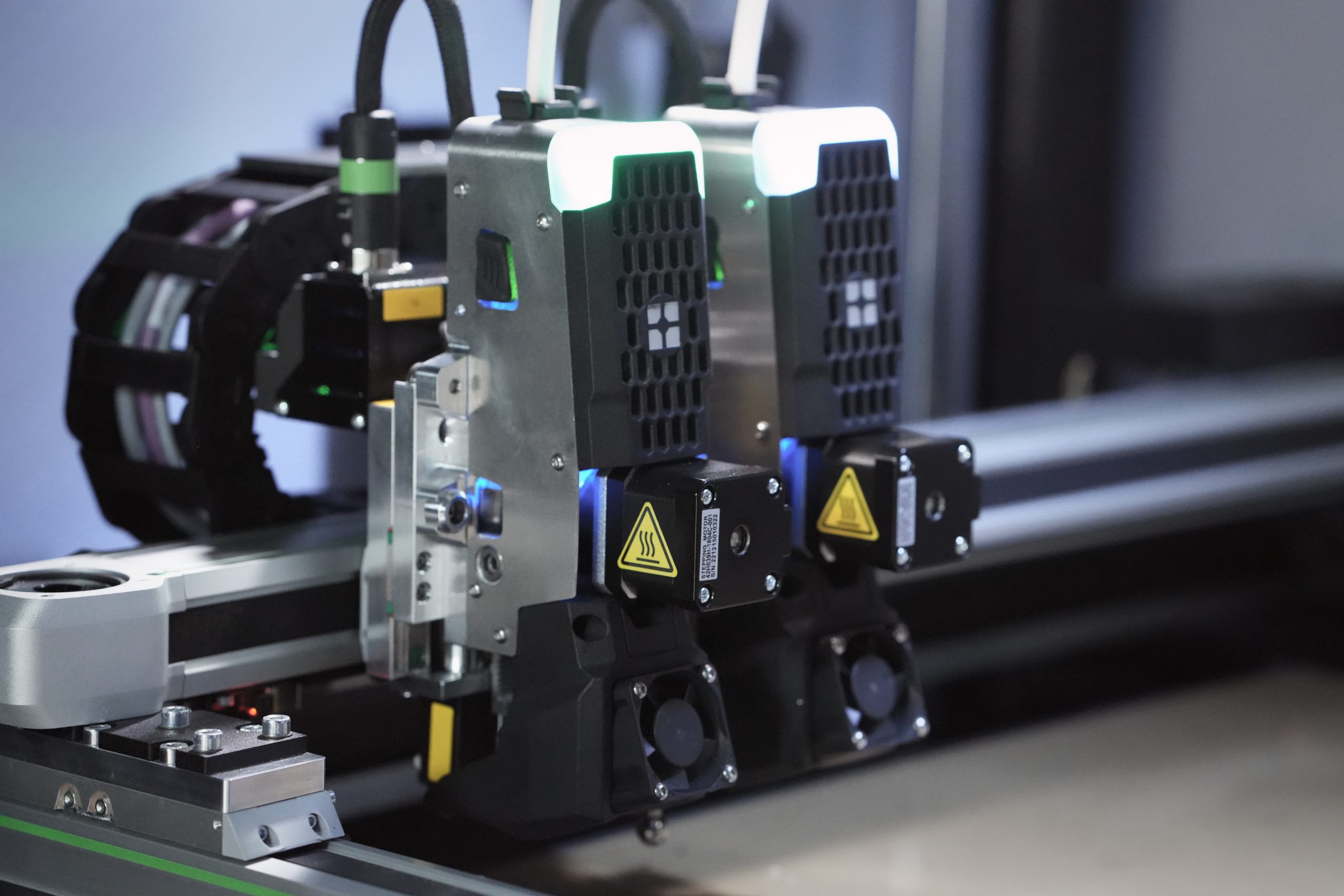
Additive manufacturing enables rapid production of prototypes, functional parts, and production tooling using engineering-grade materials.
Modern industrial 3D printers support materials such as:
-
High-performance polymers
-
Fiber-reinforced composites
-
High-temperature thermoplastics
-
Metals
This technology allows engineers to evaluate designs quickly, produce complex geometries, and create custom components that would be difficult or impossible to manufacture using traditional methods.
Dimensional Inspection
Digital inspection tools compare scanned part geometry directly against CAD models to evaluate accuracy and manufacturing quality.
This process helps engineers:
-
Identify deviations from design specifications
-
Validate tooling accuracy
-
Inspect complex geometries efficiently
-
Improve manufacturing consistency
Inspection technologies are increasingly important in industries where precision and reliability are critical.
Because these processes are interconnected, application engineers often help companies create more efficient digital pipelines between design, production, and inspection.
The Advantage of Cross-Industry Engineering Experience
Because NeoMetrix application engineers work with organizations across many industries, they gain insight into how different sectors solve similar engineering challenges.
For example:
-
Inspection methods used in aerospace manufacturing may also improve precision in automotive production.
-
Reverse engineering techniques used for legacy industrial equipment may support medical device development.
-
Large-format additive manufacturing solutions used for tooling can accelerate production in many sectors.
This broader technical exposure allows application engineers to help companies explore solutions that may not exist within their immediate industry.
Supporting Engineering Teams, Not Replacing Them
Application engineers do not replace in-house engineering teams. Instead, they provide additional technical perspective and expertise with specialized technologies.
NeoMetrix engineers collaborate with internal engineering teams to help:
-
Capture complex part geometry using 3D scanning
-
Generate accurate CAD models through reverse engineering
-
Validate manufactured components through digital inspection
-
Produce prototypes and functional components using industrial 3D printing
This partnership allows companies to enhance their engineering capabilities and adopt technologies that accelerate innovation.
Engineering for the Future of Digital Manufacturing
Modern engineering increasingly combines physical products, digital design environments, and advanced manufacturing technologies.
Application engineers play an important role in helping organizations integrate tools like 3D scanning, reverse engineering software, and additive manufacturing systems into their engineering processes.
By working across industries and technologies, NeoMetrix engineers help companies:
-
Capture real-world geometry quickly and accurately
-
Transform physical parts into precise digital models
-
Validate manufactured components with advanced inspection tools
-
Produce prototypes and production parts faster using additive manufacturing
As product development continues to evolve, this combination of expertise and technology is helping engineering teams move from concept to production with greater speed, accuracy, and flexibility.
Product Development
Capturing existing components through 3D scanning to accelerate design updates or generate new CAD models.
Prototyping
Using advanced 3D printing technologies to rapidly produce functional prototypes or test components.
Manufacturing Support
Digitizing tooling, fixtures, and assemblies to verify fit and performance before production.
Inspection and Quality Control
Comparing scanned data against CAD models to validate dimensional accuracy and identify deviations.
Ask us about 3D scanning services and equipment!
Request a quote or speak with an expert.